Summary
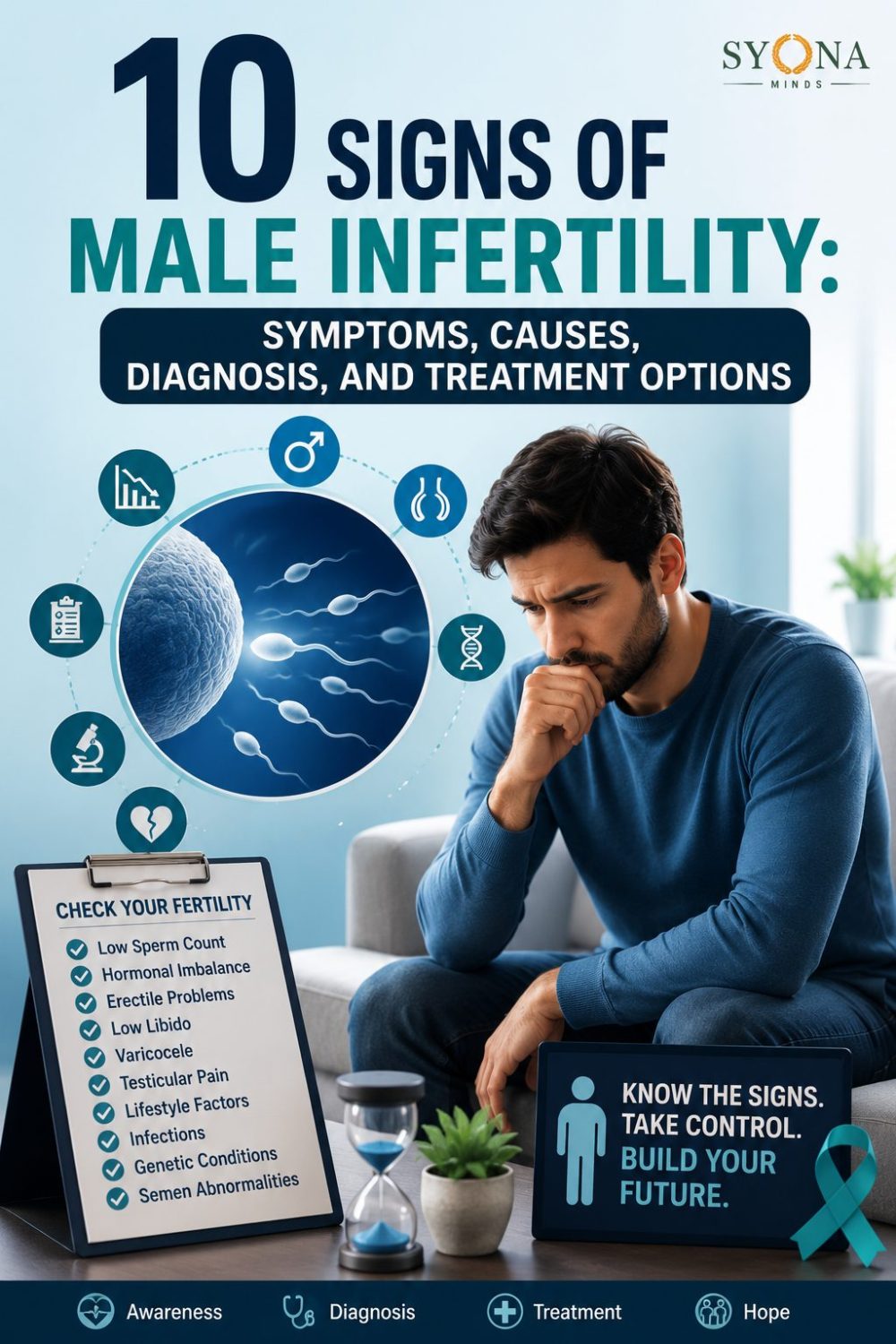
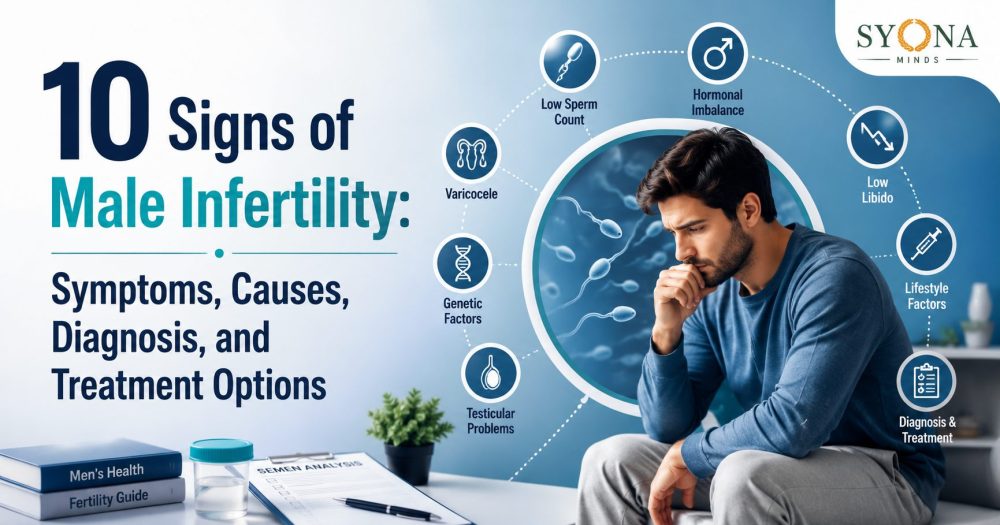
Male infertility is more common than many people realize, yet it remains one of the least discussed aspects of reproductive health. According to the World Health Organization (WHO), infertility affects millions of couples worldwide, and male factors contribute to approximately 40–50% of infertility cases. Despite this, myths and stigma often prevent men from seeking timely medical advice.
One of the biggest misconceptions is that infertility always causes obvious symptoms. In reality, many men experience no noticeable signs until they struggle to conceive after months of trying. Others may notice changes in sexual function, hormone levels, or the reproductive organs that could indicate an underlying fertility issue.
Fortunately, advances in reproductive medicine have made diagnosing and treating male infertility more effective than ever. Lifestyle modifications, medications, hormone therapy, surgery, and assisted reproductive technologies (ART) have helped countless individuals achieve parenthood.
This article explores the most common signs of male infertility, explains the possible causes, discusses when to seek medical help, and outlines the latest treatment options. Whether you’re planning to start a family or simply want to understand your reproductive health, being informed is the first step toward making confident decisions.
Introduction
For many couples, starting a family is one of life’s most exciting milestones. But when pregnancy doesn’t happen despite months of trying, it can become an emotionally challenging experience.
Infertility is often mistakenly viewed as a woman’s issue. However, medical research tells a different story.
Male infertility contributes to nearly half of all infertility cases, either as the sole cause or alongside female fertility factors. Yet many men hesitate to discuss concerns about their reproductive health due to embarrassment, misconceptions, or the belief that infertility is uncommon among men.
Unlike some medical conditions, male infertility often develops silently. A man may feel completely healthy, have a normal sex life, and still experience difficulty fathering a child.
This is why recognising possible warning signs and seeking medical evaluation when needed is so important.
The encouraging news is that many causes of male infertility are treatable. Early diagnosis often improves treatment success and expands the range of available options.
Understanding the signs, causes, and available treatments empowers men to take charge of their reproductive health without fear or stigma.
What Is Male Infertility?
Male infertility refers to a man’s inability to contribute to conception despite having regular, unprotected sexual intercourse with a fertile partner for 12 months or longer.
Successful conception depends on several factors, including healthy sperm production, normal sperm movement, proper ejaculation, and the absence of blockages within the reproductive tract.
Infertility may occur if there are problems with:
- Sperm production
- Sperm count
- Sperm movement (motility)
- Sperm shape (morphology)
- Hormone production
- Ejaculation
- Reproductive anatomy
Sometimes multiple factors contribute simultaneously.
How Common Is Male Infertility?
Male infertility is far more common than many people realize.
Research suggests that:
- Approximately 1 in 6 couples experiences infertility.
- Male factors contribute to 40–50% of infertility cases.
- In some couples, infertility results from a combination of male and female reproductive issues.
- Around 10–15% of male infertility cases remain unexplained despite thorough testing.
The good news is that advances in fertility medicine have significantly improved diagnosis and treatment outcomes.
When Should You See a Fertility Specialist?
Many couples wonder how long they should try before seeking medical advice.
Most healthcare providers recommend evaluation if:
- Pregnancy has not occurred after 12 months of regular unprotected intercourse.
- The female partner is over 35 years of age, and pregnancy has not occurred after 6 months.
- There is a history of testicular injury, surgery, chemotherapy, or hormonal disorders.
- One partner has experienced recurrent pregnancy loss.
- There are known reproductive health concerns.
Early evaluation often saves valuable time and improves treatment success.
10 Signs of Male Infertility
1. Difficulty Achieving or Maintaining an Erection
Erectile dysfunction (ED) refers to persistent difficulty achieving or maintaining an erection firm enough for satisfactory sexual activity.
Although ED does not automatically mean infertility, both conditions can sometimes share common underlying causes.
These may include:
- Low testosterone levels
- Diabetes
- Cardiovascular disease
- Obesity
- Psychological stress
- Anxiety
- Depression
- Certain medications
Why It Matters
When erectile dysfunction prevents regular intercourse, it naturally reduces the chances of conception.
Additionally, hormonal conditions affecting erections may also influence sperm production.
When to Seek Help
If erectile difficulties continue for several weeks or months, consult a healthcare provider.
Treatment often improves both sexual health and overall wellbeing.
2. Problems With Ejaculation
Normal ejaculation allows sperm to reach the female reproductive tract.
Certain ejaculation disorders can interfere with fertility even when sperm production remains normal.
Examples include:
- Premature ejaculation
- Delayed ejaculation
- Retrograde ejaculation (semen enters the bladder)
- Absence of ejaculation (anejaculation)
Some men may also notice:
- Very low semen volume
- Changes in semen consistency
- Pain during ejaculation
Possible Causes
These conditions may result from:
- Nerve disorders
- Diabetes
- Certain medications
- Prostate surgery
- Hormonal problems
- Psychological factors
Medical Evaluation
Many ejaculation disorders are treatable once the underlying cause is identified.
3. Reduced Sexual Desire (Low Libido)
A noticeable decrease in sexual interest can sometimes signal hormonal imbalance.
Testosterone plays a major role in:
- Sexual desire
- Sperm production
- Muscle mass
- Bone health
- Mood
- Energy levels
Low testosterone may contribute to infertility by reducing sperm production.
However, low libido does not necessarily indicate infertility, as stress, anxiety, relationship issues, sleep disorders, medications, and chronic illness can also affect sexual desire.
Other Symptoms of Low Testosterone
Men with hormonal imbalance may also experience:
- Fatigue
- Reduced muscle strength
- Mood changes
- Difficulty concentrating
- Decreased body hair
Blood tests can help determine whether hormone levels are contributing to fertility concerns.
4. Pain, Swelling, or Lumps in the Testicles
The testicles produce both sperm and testosterone.
Any condition affecting them may influence fertility.
Warning signs include:
- Persistent pain
- Swelling
- A noticeable lump
- Heaviness in the scrotum
- Enlarged veins (varicocele)
Possible Causes
These symptoms may result from:
- Varicocele
- Infection
- Injury
- Testicular torsion
- Hydrocele
- Epididymitis
- Testicular tumors
Not every lump indicates cancer, but any new abnormality should be evaluated promptly.
Early diagnosis improves outcomes for many conditions.
5. Changes in Facial or Body Hair Growth
Body hair development depends largely on healthy testosterone production.
Men experiencing hormonal disorders may notice:
- Reduced facial hair
- Decreased chest or body hair
- Reduced shaving frequency
- Muscle loss
These changes may indicate endocrine disorders affecting reproductive function.
Hormonal Conditions That May Affect Fertility
Examples include:
- Hypogonadism
- Pituitary disorders
- Thyroid disease
- Genetic conditions
- Elevated prolactin levels
Hormone testing allows physicians to identify many of these conditions and recommend appropriate treatment.
6. Enlarged Breast Tissue (Gynecomastia)
Although it is less commonly discussed, gynecomastia the enlargement of breast tissue in males can sometimes be a sign of hormonal imbalance that may affect fertility.
The condition develops when there is an imbalance between testosterone and estrogen, the hormones responsible for regulating male reproductive health. While gynecomastia itself does not cause infertility, it may indicate an underlying hormonal disorder that interferes with sperm production.
Possible Causes
Gynecomastia may result from:
- Low testosterone levels
- Obesity
- Certain medications
- Liver or kidney disease
- Pituitary disorders
- Genetic conditions such as Klinefelter syndrome
When Should You See a Doctor?
Seek medical evaluation if enlarged breast tissue is accompanied by:
- Reduced libido
- Erectile dysfunction
- Testicular shrinkage
- Infertility
- Breast pain or discharge
Blood tests and hormone assessments can help determine the underlying cause and guide treatment.
7. Persistent Testicular Pain or a Feeling of Heaviness
Occasional discomfort after physical activity is usually harmless, but persistent pain or heaviness in the testicles should never be ignored.
One of the most common causes linked to infertility is varicocele, an enlargement of the veins within the scrotum. Similar to varicose veins in the legs, varicoceles can increase the temperature around the testes, affecting sperm production and quality.
Other Possible Causes
- Epididymitis
- Orchitis (inflammation of the testicle)
- Testicular injury
- Hernia
- Hydrocele
Can Treatment Improve Fertility?
Yes.
When varicocele significantly affects fertility, surgical repair often improves sperm quality and may increase the chances of natural conception.
8. Chronic Respiratory Problems and Certain Genetic Disorders
Some genetic conditions affect both the respiratory system and male fertility.
One example is Cystic Fibrosis (CF).
Men with cystic fibrosis often produce healthy sperm but may be born without the vas deferens, the tubes that transport sperm from the testicles. This condition is known as Congenital Bilateral Absence of the Vas Deferens (CBAVD).
As a result, sperm cannot be released during ejaculation.
Symptoms May Include
- Chronic lung infections
- Persistent cough
- Sinus infections
- Infertility despite normal sexual function
Fortunately, assisted reproductive techniques such as testicular sperm extraction (TESE) combined with Intracytoplasmic Sperm Injection (ICSI) have enabled many men with CF-related infertility to become biological fathers.
9. Delayed or Absent Puberty
Puberty marks the beginning of reproductive maturity.
When puberty is significantly delayed or does not occur as expected, it may indicate hormonal disorders affecting fertility later in life.
Signs of Delayed Puberty
- Little or no facial hair
- Small testicles
- Delayed voice deepening
- Limited muscle development
- Poor growth of body hair
Possible Causes
Delayed puberty may result from:
- Pituitary disorders
- Genetic conditions
- Testosterone deficiency
- Chronic illness
- Nutritional deficiencies
Early evaluation by an endocrinologist can help identify treatable hormonal conditions.
10. Difficulty Conceiving Despite Regular Unprotected Intercourse
For many men, infertility has no obvious physical symptoms.
In fact, the inability to conceive after trying for an extended period is often the first and sometimes only sign.
Medical professionals generally recommend fertility evaluation if:
- Pregnancy has not occurred after 12 months of regular unprotected intercourse.
- The female partner is over 35 years old, and pregnancy has not occurred after 6 months.
- Either partner has known reproductive health concerns.
Infertility should always be evaluated as a couple’s issue, since male and female factors often occur together.
What Causes Male Infertility?
Male infertility can result from a single factor or a combination of medical, lifestyle, environmental, and genetic influences.
The most common causes include:
1. Low Sperm Count
A reduced number of sperm decreases the likelihood that one will successfully fertilize an egg.
2. Poor Sperm Motility
Healthy sperm must swim efficiently through the female reproductive tract.
Reduced movement significantly lowers fertility.
3. Abnormal Sperm Shape (Morphology)
Abnormally shaped sperm may have difficulty fertilizing an egg.
4. Hormonal Imbalances
Conditions affecting testosterone, follicle-stimulating hormone (FSH), luteinizing hormone (LH), thyroid hormones, or prolactin can interfere with sperm production.
5. Varicocele
One of the most treatable causes of male infertility.
6. Infections
Certain infections, including sexually transmitted infections (STIs) may damage reproductive tissues or block sperm transport.
7. Lifestyle Factors
Several everyday habits influence fertility:
- Smoking
- Heavy alcohol consumption
- Recreational drug use
- Obesity
- Poor diet
- Lack of exercise
- Chronic stress
- Sleep deprivation
8. Environmental Exposures
Long-term exposure to:
- Pesticides
- Heavy metals
- Industrial chemicals
- Radiation
- Excessive heat
may negatively affect sperm production.
How Is Male Infertility Diagnosed?
A fertility evaluation usually begins with a detailed medical history and physical examination.
Additional investigations may include:
Semen Analysis
This is the most important fertility test.
It evaluates:
- Sperm count
- Motility
- Morphology
- Semen volume
- White blood cells
- pH level
Because sperm quality naturally fluctuates, doctors often recommend repeating the test.
Hormone Testing
Blood tests measure hormones such as:
- Testosterone
- FSH
- LH
- Prolactin
- Thyroid hormones
Scrotal Ultrasound
Ultrasound helps identify:
- Varicocele
- Testicular abnormalities
- Blockages
Genetic Testing
Recommended when sperm counts are extremely low or absent.
Certain inherited conditions may affect fertility.
Additional Tests
Depending on individual circumstances, physicians may also recommend:
- Urinalysis
- Testicular biopsy
- DNA fragmentation testing
- Imaging of reproductive organs
Treatment Options for Male Infertility
Treatment depends entirely on the underlying cause.
Lifestyle Changes
Many men benefit from improving overall health.
Recommendations include:
- Quitting smoking.
- Limiting alcohol.
- Exercising regularly.
- Maintaining a healthy weight.
- Eating a balanced diet rich in antioxidants.
- Managing stress.
- Getting adequate sleep.
Medications
Doctors may prescribe medications to:
- Treat infections.
- Correct hormonal imbalances.
- Improve ejaculation disorders.
- Address erectile dysfunction.
Hormone Therapy
Hormonal treatment is appropriate only when laboratory testing confirms hormone deficiency.
Examples include:
- Gonadotropin therapy
- Medications that stimulate testosterone production
- Treatment for pituitary disorders
Routine testosterone replacement is not recommended for men trying to conceive because it may actually suppress sperm production.
Surgery
Surgical treatment may include:
- Varicocele repair
- Vasectomy reversal
- Correction of reproductive tract blockages
- Surgical sperm retrieval
Assisted Reproductive Technology (ART)
When natural conception remains difficult, fertility specialists may recommend:
- Intrauterine Insemination (IUI)
- In Vitro Fertilization (IVF)
- Intracytoplasmic Sperm Injection (ICSI)
These technologies have dramatically improved pregnancy success rates for many couples.
Can Male Infertility Be Prevented?
Not every cause can be prevented, particularly those related to genetics.
However, healthy lifestyle habits can protect reproductive health.
Protect Your Fertility By:
- Avoiding smoking and recreational drugs.
- Limiting alcohol consumption.
- Maintaining a healthy weight.
- Exercising regularly.
- Wearing protective equipment during sports.
- Preventing sexually transmitted infections.
- Managing chronic illnesses.
- Reducing prolonged exposure to excessive heat.
- Seeking early treatment for reproductive health concerns.
Regular health check-ups also help identify problems before they become more serious.
Key Takeaways
✔ Male infertility contributes to nearly half of all infertility cases.
✔ Many men experience no symptoms until they struggle to conceive.
✔ Warning signs may include erectile dysfunction, ejaculation problems, low libido, hormonal changes, and testicular abnormalities.
✔ Lifestyle, hormones, infections, genetics, and medical conditions all influence fertility.
✔ Modern fertility treatments successfully help many men become biological fathers.
✔ Early diagnosis greatly improves treatment options and reproductive outcomes.
Frequently Asked Questions
Can a man be infertile and still have a normal sex life?
Yes. Many infertile men have normal erections, ejaculation, and sexual desire. Fertility depends on sperm quality and reproductive function—not sexual performance alone.
Can male infertility be treated?
In many cases, yes. Treatment depends on the underlying cause and may include lifestyle changes, medications, surgery, hormone therapy, or assisted reproductive technologies.
Does age affect male fertility?
Yes. Although men remain fertile longer than women, increasing age may reduce sperm quality, DNA integrity, and the likelihood of successful conception.
How is male infertility diagnosed?
Doctors usually perform a semen analysis, hormone testing, physical examination, and imaging studies when necessary.
Can lifestyle changes improve fertility?
Absolutely. Quitting smoking, maintaining a healthy weight, exercising, reducing stress, eating a nutritious diet, and limiting alcohol can improve reproductive health in many men.
Conclusion
Male infertility is a common yet often misunderstood health condition that affects millions of individuals and couples worldwide. While discovering fertility challenges can feel overwhelming, it’s important to remember that infertility is a medical condition not a reflection of masculinity, strength, or self-worth.
Many men have no obvious symptoms until they begin trying to conceive, which is why awareness and timely medical evaluation are so important. Recognizing early warning signs, such as changes in sexual function, hormonal symptoms, or testicular abnormalities, allows healthcare providers to diagnose underlying issues before they become more difficult to manage.
Advances in reproductive medicine have transformed the outlook for men facing infertility. Today, a wide range of treatment options, including lifestyle changes, medications, surgery, hormone therapy, and assisted reproductive technologies, offer renewed hope for many families.
Perhaps most importantly, infertility should never be viewed as one partner’s responsibility. Open communication, mutual support, and seeking professional guidance together can make the journey less stressful and more empowering.
With the right diagnosis, evidence-based treatment, and compassionate care, many men can successfully improve their fertility and achieve their dream of parenthood.
References
1. American Society for Reproductive Medicine. (2024). Diagnosis and Treatment of Male Infertility.
2. European Association of Urology. (2024). Guidelines on Male Infertility.
3. Practice Committee of the American Society for Reproductive Medicine. (2024). Evaluation of the Infertile Male.
4. World Health Organisation. (2023). WHO Manual for Human Semen Examination.