Summary
Pregnancy is an exciting journey, but it also brings changes that can sometimes lead to unexpected health concerns. One of these is preeclampsia, a pregnancy-related condition marked by high blood pressure and signs that organs particularly the kidneys or liver are under stress. It usually develops after the 20th week of pregnancy and requires prompt medical attention.
Although preeclampsia cannot always be prevented, many women can lower their risk through regular prenatal care, healthy lifestyle habits, and early identification of risk factors. Understanding who is more likely to develop the condition and recognizing its warning signs can make a significant difference in protecting both mother and baby.
This article explains preeclampsia in simple language, explores the factors that increase the risk, and discusses evidence-based ways to support a healthier pregnancy.
Introduction
Imagine you’re halfway through your pregnancy. You’ve been feeling well, eagerly counting down the weeks until you meet your baby. During a routine prenatal visit, your healthcare provider checks your blood pressure and notices it’s higher than expected. A urine test also shows protein, and suddenly you’re hearing a word you’ve never paid much attention to before preeclampsia.
For many expectant parents, this diagnosis can feel frightening. Questions race through the mind:
“Will my baby be okay?”
“Did I do something wrong?”
“Can this be treated?”
These emotions are completely understandable. Pregnancy is often filled with hope, and hearing about a complication can naturally trigger worry and uncertainty.
The reassuring news is that early diagnosis, regular monitoring, and appropriate medical care have greatly improved outcomes for mothers and babies. While preeclampsia remains a serious condition, advances in prenatal care allow healthcare professionals to identify risks earlier than ever before.
The goal of this article isn’t to create fear—it’s to replace uncertainty with knowledge.
What Is Preeclampsia?
Preeclampsia is a pregnancy complication that usually develops after 20 weeks of gestation. It is characterized by:
- High blood pressure
- Signs that organs, particularly the kidneys or liver, are not functioning normally
- Sometimes swelling, headaches, or changes in vision
In healthy pregnancies, the placenta develops blood vessels that supply oxygen and nutrients to the growing baby. In preeclampsia, these blood vessels may not develop or function as expected. As a result, blood flow becomes less efficient, placing extra strain on the mother’s cardiovascular system.
If left untreated, preeclampsia can affect both the mother and baby by reducing blood flow to the placenta and increasing the risk of serious complications.
Fortunately, routine prenatal check-ups are specifically designed to detect these changes early, often before noticeable symptoms appear.
How Common Is Preeclampsia?
Preeclampsia affects approximately 2–8% of pregnancies worldwide, making it one of the more common complications encountered during pregnancy (World Health Organization, 2023).
Globally, it remains one of the leading causes of maternal illness and premature birth. However, outcomes have improved significantly because of:
- Earlier diagnosis
- Better prenatal monitoring
- Improved medical management
- Increased awareness among expecting mothers
It’s important to remember that most pregnancies are healthy, and even women with risk factors do not necessarily develop preeclampsia.
Why Does Preeclampsia Happen?
Despite decades of research, scientists still don’t know one single cause.
Instead, experts believe preeclampsia develops because of a combination of factors involving:
- Placental development
- Blood vessel function
- The immune system
- Genetics
- Maternal health
During early pregnancy, tiny blood vessels in the placenta normally widen to allow increased blood flow.
In preeclampsia, these vessels may remain narrower than expected.
This causes the mother’s body to work harder to circulate blood, leading to higher blood pressure and increased strain on organs.
Researchers often describe preeclampsia as a condition involving both the placenta and the mother’s cardiovascular system rather than simply “high blood pressure.”
Who Is More Likely to Develop Preeclampsia?
Having one or more risk factors does not mean you will develop preeclampsia. It simply means your healthcare provider may monitor your pregnancy more closely.
Understanding these risks allows doctors to identify women who may benefit from additional care or preventive measures.
High-Risk Factors
1. Previous Preeclampsia
One of the strongest predictors is having experienced preeclampsia in a previous pregnancy.
The likelihood of recurrence depends on several factors, including how early the condition developed and how severe it was. Many women go on to have healthy future pregnancies with careful monitoring and appropriate medical care.
2. Chronic High Blood Pressure
Women who already have hypertension before pregnancy have a higher chance of developing preeclampsia.
Because the cardiovascular system is already under additional strain, pregnancy may further challenge blood vessel function.
Regular blood pressure monitoring becomes especially important throughout pregnancy.
3. Kidney Disease
Healthy kidneys help regulate blood pressure and remove waste from the body.
When kidney function is already reduced, pregnancy places extra demands on these organs, increasing the likelihood of complications such as preeclampsia.
4. Diabetes
Both Type 1, Type 2, and gestational diabetes can affect blood vessels and circulation.
Maintaining healthy blood sugar levels before and during pregnancy can help reduce complications and improve overall pregnancy outcomes.
5. Autoimmune Conditions
Conditions such as lupus and antiphospholipid syndrome affect the immune system and blood vessels.
Because these disorders influence inflammation and circulation, they are associated with an increased risk of preeclampsia.
6. Multiple Pregnancy
Carrying twins, triplets, or more places greater demands on the placenta.
The increased placental tissue means the mother’s body must support more blood flow, slightly increasing the likelihood of developing preeclampsia.
Moderate Risk Factors
Some factors are associated with a modest increase in risk.
These include:
First Pregnancy
The body is adapting to pregnancy for the first time, and first-time mothers have a slightly higher likelihood of developing preeclampsia than women who have previously been pregnant.
Maternal Age
Women younger than 20 and older than 35–40 years may experience a slightly increased risk because of differences in cardiovascular and reproductive health.
Obesity
A higher body mass index (BMI) is associated with increased inflammation and changes in blood vessel function, both of which may contribute to preeclampsia.
However, many women with obesity have completely healthy pregnancies when supported with appropriate prenatal care.
Family History
If your mother or sister experienced preeclampsia, your own likelihood may be somewhat higher.
This suggests genetics play a role, although lifestyle and overall health also influence risk.
Assisted Reproductive Technologies (IVF)
Some studies suggest pregnancies conceived through in vitro fertilization (IVF) may have a slightly higher incidence of preeclampsia.
Researchers believe this may be related to placental development rather than the IVF procedure itself.
Why Knowing Your Risk Matters
Learning about risk factors is not meant to cause anxiety it is meant to encourage early care.
Healthcare providers use this information to determine whether additional monitoring may be beneficial.
Depending on your individual circumstances, your care plan may include:
- More frequent prenatal visits
- Regular blood pressure monitoring
- Urine testing
- Blood tests when necessary
- Additional ultrasound scans to monitor your baby’s growth
- Discussion about preventive treatments such as low-dose aspirin for eligible women
Early identification allows problems to be recognized before serious complications develop.
Can Preeclampsia Be Prevented?
One of the most common questions expectant mothers ask is:
“Can I prevent preeclampsia?”
The answer is reassuring but also realistic.
There is no guaranteed way to prevent preeclampsia completely because many of its underlying causes are beyond anyone’s control.
However, research shows that several evidence-based strategies can reduce the likelihood of developing the condition or improve outcomes if it occurs.
Rather than focusing on perfection, healthcare professionals encourage women to focus on what they can control:
- Attending regular prenatal appointments
- Following medical advice
- Maintaining a balanced diet
- Staying physically active if medically appropriate
- Managing chronic medical conditions
- Taking prescribed medications as directed
These steps not only support cardiovascular health but also contribute to a healthier pregnancy overall.
A Psychological Perspective: Managing Fear During Pregnancy
Receiving information about pregnancy complications can naturally create worry.
Many expectant parents experience thoughts such as:
“What if something goes wrong?”
“Am I doing enough?”
“Will my baby be healthy?”
These concerns are completely normal.
Psychologists explain that uncertainty often increases anxiety because the brain tries to prepare for every possible outcome.
While staying informed is helpful, constantly searching for worst-case scenarios online can sometimes increase stress rather than reduce it.
Instead, try to:
- Discuss concerns with your healthcare provider rather than relying solely on internet searches.
- Focus on the aspects of your pregnancy you can control.
- Lean on supportive family members or friends.
- Practice relaxation techniques such as gentle breathing or mindfulness if approved by your healthcare provider.
- Remember that most pregnancies even among women with risk factors result in healthy mothers and healthy babies.
Knowledge empowers, but balance protects emotional wellbeing.
Evidence-Based Ways to Lower Your Risk
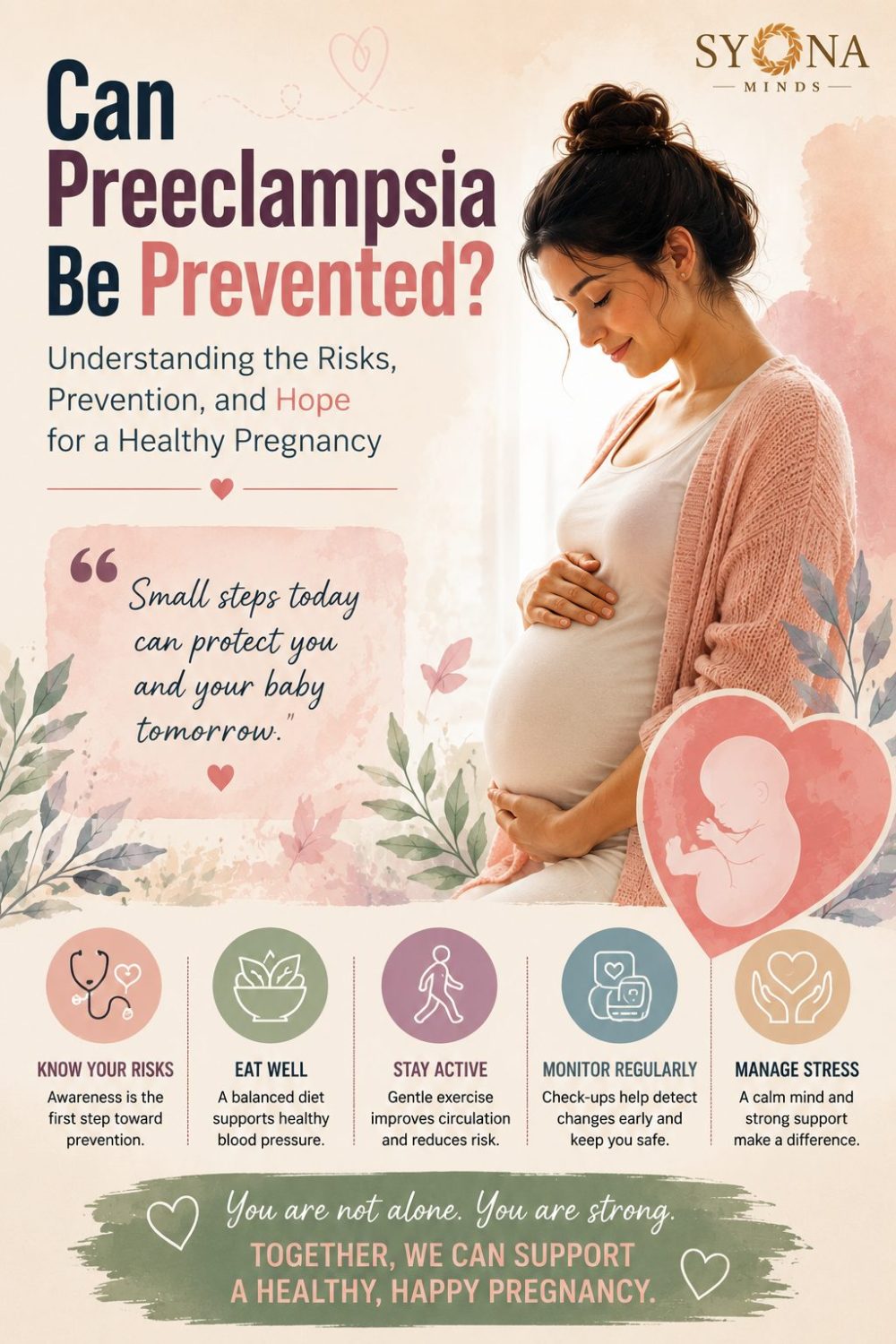
While preeclampsia cannot always be prevented, research has shown that several healthy habits and medical interventions can reduce the risk or help detect the condition before it becomes severe. Think of these strategies as ways to support a healthy pregnancy rather than guarantees.
1. Prioritize Regular Prenatal Care
One of the most effective ways to protect yourself and your baby is simply by attending every prenatal appointment.
Routine check-ups allow healthcare providers to monitor:
- Blood pressure
- Baby’s growth
- Urine protein levels
- Changes in weight and swelling
- Overall maternal wellbeing
Many women with preeclampsia feel completely well in the early stages. Regular prenatal visits often detect changes before symptoms become noticeable, allowing timely treatment.
Remember: Never skip appointments, even if you feel perfectly healthy.
2. Eat a Balanced, Nourishing Diet
No single food can prevent preeclampsia, but a balanced diet supports healthy blood vessels, heart function, and overall pregnancy health.
Aim to include:
Calcium-rich foods
Calcium supports healthy muscle and blood vessel function.
Examples:
- Milk and yogurt
- Cheese
- Fortified plant-based milk
- Tofu
- Leafy green vegetables
Women with low dietary calcium intake may benefit from calcium supplementation if recommended by their healthcare provider, especially in areas where calcium deficiency is common (WHO, 2023).
Fruits and Vegetables
Colourful fruits and vegetables provide:
- Antioxidants
- Fibre
- Potassium
- Vitamins C and E
These nutrients support cardiovascular health and reduce inflammation.
Aim for a variety of colours throughout the week.
Whole Grains
Choose:
- Brown rice
- Oats
- Whole wheat
- Quinoa
- Millets
Whole grains provide fibre, which supports heart health and helps regulate blood sugar.
Lean Proteins
Healthy protein sources include:
- Eggs
- Fish (low in mercury)
- Chicken
- Lentils
- Beans
- Nuts
Protein is essential for your baby’s growth and supports tissue repair throughout pregnancy.
Stay Hydrated
Water helps maintain healthy circulation and supports kidney function.
Although hydration alone cannot prevent preeclampsia, drinking enough fluids is an important part of overall pregnancy health.
3. Stay Physically Active (If Your Doctor Approves)
Exercise during pregnancy isn’t about fitness goals it’s about supporting your body.
Regular, moderate activity can help:
- Improve circulation
- Maintain healthy blood pressure
- Reduce excessive weight gain
- Improve mood
- Promote better sleep
The American College of Obstetricians and Gynecologists (ACOG) recommends around 150 minutes of moderate-intensity physical activity each week for most healthy pregnancies.
Safe options often include:
- Walking
- Swimming
- Prenatal yoga
- Gentle stretching
- Stationary cycling
Always discuss exercise with your healthcare provider, especially if you have a high-risk pregnancy.
4. Monitor Your Blood Pressure
High blood pressure is often called the “silent symptom” because it may not cause obvious warning signs.
If you have risk factors for preeclampsia, your healthcare provider may recommend checking your blood pressure at home between appointments.
Seek medical advice immediately if you experience:
- Persistent severe headache
- Blurred vision
- Flashing lights or vision changes
- Sudden swelling of the face or hands
- Severe upper abdominal pain
- Difficulty breathing
Never ignore these symptoms, even if they seem mild.
5. Take Low-Dose Aspirin—Only If Recommended
For women at higher risk of preeclampsia, healthcare providers may recommend low-dose aspirin (81–150 mg daily, depending on national guidelines).
Research shows that starting low-dose aspirin between 12 and 16 weeks of pregnancy can reduce the risk of preeclampsia in women who are at increased risk (ACOG, 2021; NICE, 2023).
However, aspirin is not recommended for every pregnant woman.
Never begin taking aspirin without medical advice.
Your healthcare provider will determine whether the benefits outweigh any potential risks.
6. Manage Existing Health Conditions
Conditions such as:
- High blood pressure
- Diabetes
- Kidney disease
- Autoimmune disorders
should be managed carefully before and during pregnancy.
Taking prescribed medications, attending follow-up appointments, and maintaining open communication with your healthcare provider can significantly improve pregnancy outcomes.
The Role of Stress and Emotional Wellbeing
One common misconception is that stress alone causes preeclampsia.
Current research does not support stress as a direct cause.
However, chronic stress can affect:
- Sleep quality
- Blood pressure
- Lifestyle habits
- Emotional wellbeing
Managing stress is therefore beneficial not because it guarantees prevention, but because it supports overall maternal health.
Pregnancy itself brings emotional changes. Feeling worried before a scan, nervous about labour, or overwhelmed by new responsibilities is completely normal.
What matters is recognising when stress becomes overwhelming.
Healthy Ways to Manage Stress During Pregnancy
Practice Gentle Relaxation
Simple breathing exercises or guided relaxation can calm the nervous system. Even five minutes each day can make a difference.
Prioritise Sleep
Aim for 7–9 hours of quality sleep each night. Good sleep supports emotional regulation, immune function, and cardiovascular health.
Stay Connected
Talk with:
- Your partner
- Family
- Friends
- Support groups
- Healthcare professionals
Sharing worries often reduces emotional burden.
Limit Information Overload
Reading trustworthy information is empowering. Constantly searching social media or online forums for worst-case stories often increases anxiety. Choose reliable sources and discuss concerns with your healthcare provider instead.
Practice Self-Compassion
Pregnancy isn’t about perfection. Some days you’ll feel energetic. Other days you’ll need rest. Both are normal. Treat yourself with the same kindness you would offer another expectant mother.
Warning Signs That Need Immediate Medical Attention
Contact your healthcare provider or seek emergency care if you experience:
- Severe headache that doesn’t improve
- Blurred vision or temporary loss of vision
- Pain beneath the ribs or in the upper abdomen
- Sudden swelling of the face or hands
- Difficulty breathing
- Reduced baby’s movements
- Blood pressure readings that are significantly elevated (if monitoring at home)
Early treatment saves lives.
Never hesitate to seek medical advice.
Frequently Asked Questions
Can preeclampsia be cured?
The only definitive cure is delivery of the baby and placenta. However, many women can safely continue their pregnancy for a period of time with careful monitoring, depending on the severity of the condition and the stage of pregnancy.
Can I have another healthy pregnancy after preeclampsia?
Yes. Many women who experienced preeclampsia go on to have healthy future pregnancies. Your healthcare provider may recommend earlier monitoring and preventive measures in subsequent pregnancies.
Can I still have a vaginal birth?
In many cases, yes. The method of delivery depends on:
- How severe the condition is
- How far along the pregnancy is
- The health of both mother and baby
Your healthcare team will recommend the safest option.
Does preeclampsia affect long-term health?
Women who have experienced preeclampsia have a slightly higher lifetime risk of developing:
- High blood pressure
- Heart disease
- Stroke
This does not mean these conditions are inevitable. Maintaining a heart-healthy lifestyle after pregnancy can reduce long-term risk.
Key Takeaways
✔ Preeclampsia is a serious pregnancy complication that usually develops after 20 weeks of pregnancy.
✔ It cannot always be prevented, but early detection and proper prenatal care greatly improve outcomes.
✔ Women with certain medical conditions or previous preeclampsia may require closer monitoring.
✔ Healthy eating, appropriate physical activity, and managing chronic medical conditions support a healthier pregnancy.
✔ Low-dose aspirin may reduce risk for some women but should only be taken under medical supervision.
✔ Emotional wellbeing is an important part of pregnancy. Seek support whenever you feel overwhelmed.
✔ Most importantly, remember that having a risk factor does not mean you will develop preeclampsia, and many women with risk factors go on to have healthy pregnancies and healthy babies.
Conclusion
Pregnancy is filled with moments of excitement, anticipation, and sometimes uncertainty. While preeclampsia is a condition that deserves careful attention, it is also one that healthcare providers are well-equipped to monitor and manage when identified early.
Rather than focusing on fear, focus on preparation. Attending prenatal appointments, understanding your personal risk factors, maintaining healthy lifestyle habits, and staying connected with your healthcare team are some of the most powerful steps you can take.
Remember that every pregnancy is unique. Comparing your journey to someone else’s can create unnecessary worry. Instead, trust your healthcare provider, listen to your body, and seek support whenever you need it.
Knowledge is not about expecting the worst it is about feeling confident enough to recognise when something needs attention and knowing that help is available.
With awareness, regular care, and timely intervention, the vast majority of women go on to welcome healthy babies and recover well after pregnancy.
References
1. American College of Obstetricians and Gynecologists. (2021). Low-Dose Aspirin Use During Pregnancy.
2. American College of Obstetricians and Gynecologists. (2020). Gestational Hypertension and Preeclampsia: Practice Bulletin No. 222.
3. National Institute for Health and Care Excellence. (2023). Hypertension in Pregnancy: Diagnosis and Management.
4. Preeclampsia Foundation. (2024). Understanding Preeclampsia.
5. World Health Organization. (2023). WHO Recommendations on Antenatal Care for a Positive Pregnancy Experience.
6. American Heart Association. (2023). High Blood Pressure During Pregnancy.
7. Mayo Clinic. (2024). Preeclampsia: Symptoms and Causes.
Disclaimer:
This article is intended for educational purposes only and should not replace professional medical advice. If you are pregnant or have concerns about your health, consult your obstetrician or healthcare provider for personalised guidance.