The concept of neuroplasticity is widely recognized among experts and is truly fascinating. Neuroscience plays a vital role in mental well-being and relationships, contributing to happiness and the ability to build strong, healthy connections.

Expert mind talk

For this session, we are joined by Professor Justin James Kennedy, an executive health coach and expert in organizational neuroscience. He is a TEDx speaker and the author of Brain Re-Boot and a textbook on Wellbeing Neuroscience.

At the Institute of Organizational Neuroscience, Prof. Kennedy works with coaches and Ph.D. candidates to explore the complexities of neuroplasticity. He shares practical strategies that can enhance resilience and cognitive performance.

In this session, Prof. Kennedy explains the importance of neuroplasticity, how it works, and its effects on the brain during the process.

Watch the video now to learn more about neuroplasticity and its role in building healthy relationships.


Recommended:

  • 7 Powerful parenting Tips to Teach Kids About Love

    7 Powerful parenting Tips to Teach Kids About Love

  • 7 Reasons Why You Should Write Your Partner A Love Letter

    7 Reasons Why You Should Write Your Partner A Love Letter

  • 9 Effective Ways to Keep Physical Intimacy Alive After Baby

    9 Effective Ways to Keep Physical Intimacy Alive After Baby

  • 10 Powerful Tips for Strengthening sibling bonding

    10 Powerful Tips for Strengthening sibling bonding

  • 5 Powerful Ways Narcotics Anonymous Supports Drug Addiction Recovery

    5 Powerful Ways Narcotics Anonymous Supports Drug Addiction Recovery

  • 7 Ways to Beat Cabin Fever

    7 Ways to Beat Cabin Fever

  • 5 Ways Attachment Styles Shape Our Emotional Bonds With Smartphones

    5 Ways Attachment Styles Shape Our Emotional Bonds With Smartphones

  • 7 Powerful Goal Setting Tips for Kids to Achieve New Year’s Resolutions

    7 Powerful Goal Setting Tips for Kids to Achieve New Year’s Resolutions

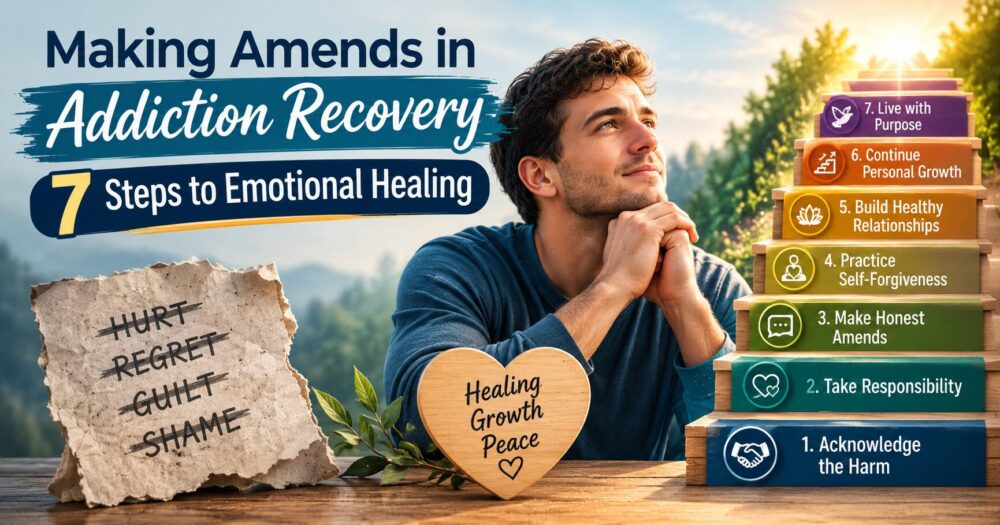
  • Making Amends in Addiction Recovery: 7 Steps to Emotional Healing

    Making Amends in Addiction Recovery: 7 Steps to Emotional Healing