Summary
Premature birth, also known as preterm birth, occurs when a baby is born before completing 37 weeks of pregnancy. Thanks to advances in neonatal medicine, more premature babies survive today than ever before. Many go on to live healthy, fulfilling lives. However, babies born too early may face unique medical, developmental, and emotional challenges that can extend beyond infancy and into childhood or adulthood.
The degree of prematurity often determines the level of risk. Babies born only a few weeks early may experience minimal long-term effects, while those born very or extremely preterm may require ongoing medical care, developmental support, and specialized interventions.
Long-term effects of premature birth can include learning difficulties, respiratory conditions, vision or hearing impairments, behavioral concerns, and increased susceptibility to certain health conditions. Importantly, not every premature baby experiences these challenges. Early diagnosis, regular follow-up care, and timely intervention significantly improve outcomes.
This article explores the causes of premature birth, explains why prematurity can affect long-term development, and discusses ten evidence-based lifelong effects that parents and caregivers should understand. More importantly, it highlights practical ways families can support healthy growth and development, helping children born prematurely reach their full potential.
Introduction
The arrival of a new baby is often one of life’s happiest moments. Parents spend months preparing the nursery, imagining first smiles, first words, and the exciting milestones that lie ahead. But when a baby arrives weeks or even months earlier than expected, that joyful anticipation can quickly turn into uncertainty. Instead of bringing their baby home immediately, many parents suddenly find themselves surrounded by incubators, monitors, and neonatal intensive care units (NICUs).
Questions begin to race through their minds.
“Will my baby be okay?”
“Will they develop normally?”
“What does the future look like?”
These concerns are understandable.
Premature birth presents unique medical challenges because many of the baby’s organs are still developing when birth occurs.
Fortunately, neonatal care has improved dramatically over the past few decades. Advances in respiratory support, nutrition, infection control, and developmental care have significantly increased survival rates while improving long-term health outcomes.
Today, many children born prematurely attend school, participate in sports, build successful careers, and lead healthy adult lives.
However, some children continue to experience physical, cognitive, emotional, or behavioral challenges that require additional support.
Understanding these possibilities allows parents to recognize concerns early, access appropriate healthcare services, and provide the best possible environment for their child’s growth.
What Is Premature Birth?
Premature birth, or preterm birth, occurs when a baby is born before 37 completed weeks of pregnancy.
A typical pregnancy lasts about 40 weeks.
During the final weeks of pregnancy, the baby’s lungs, brain, digestive system, immune system, and other organs continue to mature rapidly. When birth occurs too early, these organs may not be fully developed, increasing the likelihood of medical complications.
According to the World Health Organization (WHO), approximately 13 million babies worldwide are born prematurely every year, making prematurity one of the leading causes of illness and death among children under five years of age.
Fortunately, improvements in neonatal intensive care have dramatically increased survival rates, particularly in countries with access to advanced medical care.
Understanding the Different Types of Premature Birth
Not all premature births are the same.
Healthcare professionals classify preterm babies according to their gestational age because the degree of prematurity strongly influences medical outcomes.
Late Preterm (34–36 Weeks)
Babies born between 34 and 36 weeks often appear healthy but may still experience:
- Feeding difficulties
- Mild breathing problems
- Jaundice
- Difficulty maintaining body temperature
- Temporary blood sugar instability
Many require only short hospital stays before going home.
Moderately Preterm (32–33 Weeks)
- Babies born during this period usually need additional medical support while their lungs, digestive system, and nervous system continue developing.
- Most recover very well with specialized neonatal care.
Very Preterm (28–31 Weeks)
- Babies born before 32 weeks often require prolonged stays in the neonatal intensive care unit (NICU).
- Their lungs, immune system, and brain remain highly immature, increasing the risk of both short-term and long-term complications.
Extremely Preterm (Before 28 Weeks)
- Babies born before 28 weeks face the greatest medical challenges.
- These infants often require advanced respiratory support, nutritional therapy, and close developmental monitoring throughout childhood.
- Even so, many extremely premature babies survive and thrive thanks to remarkable advances in neonatal medicine.
Why Can Premature Birth Affect Long-Term Development?
The final weeks of pregnancy are among the most important periods of fetal development.
During this time:
- Brain connections multiply rapidly.
- The lungs produce surfactant that helps babies breathe independently.
- Fat stores develop to regulate body temperature.
- The digestive system matures.
- The immune system becomes stronger.
- Vision and hearing pathways continue developing.
When birth occurs early, some of these developmental processes continue outside the womb instead of inside it.
Although modern neonatal care supports this development remarkably well, certain organ systems remain more vulnerable to long-term challenges.
Importantly, the severity of long-term effects varies widely.
Some premature babies experience very few difficulties.
Others benefit from additional medical care, therapies, or educational support as they grow.
Common Causes and Risk Factors for Premature Birth
In many pregnancies, the exact reason for premature birth remains unknown.
However, researchers have identified several factors that increase the likelihood of preterm delivery.
Previous Premature Birth
Women who have previously delivered prematurely have an increased chance of experiencing another preterm birth.
This does not guarantee it will happen again, but it warrants closer prenatal monitoring.
Multiple Pregnancy
Twins, triplets, and higher-order multiple pregnancies place additional strain on the uterus and are significantly more likely to result in premature delivery.
Pregnancy Complications
Certain medical conditions increase the risk, including:
- Pre-eclampsia
- Placenta previa
- Placental abruption
- Gestational diabetes
- High blood pressure
In some cases, early delivery becomes the safest option for both mother and baby.
Maternal Infections
Untreated infections involving the uterus, urinary tract, or reproductive system may trigger early labor.
Prompt diagnosis and treatment can reduce this risk.
Lifestyle Factors
Smoking, alcohol consumption, illicit drug use, poor nutrition, and inadequate prenatal care have all been associated with an increased risk of premature birth.
Maintaining healthy habits before and during pregnancy can improve outcomes.
Psychological Stress
Chronic stress, anxiety, domestic violence, and limited social support have also been linked to higher rates of premature birth.
Supporting maternal mental health is now recognized as an important component of prenatal care.
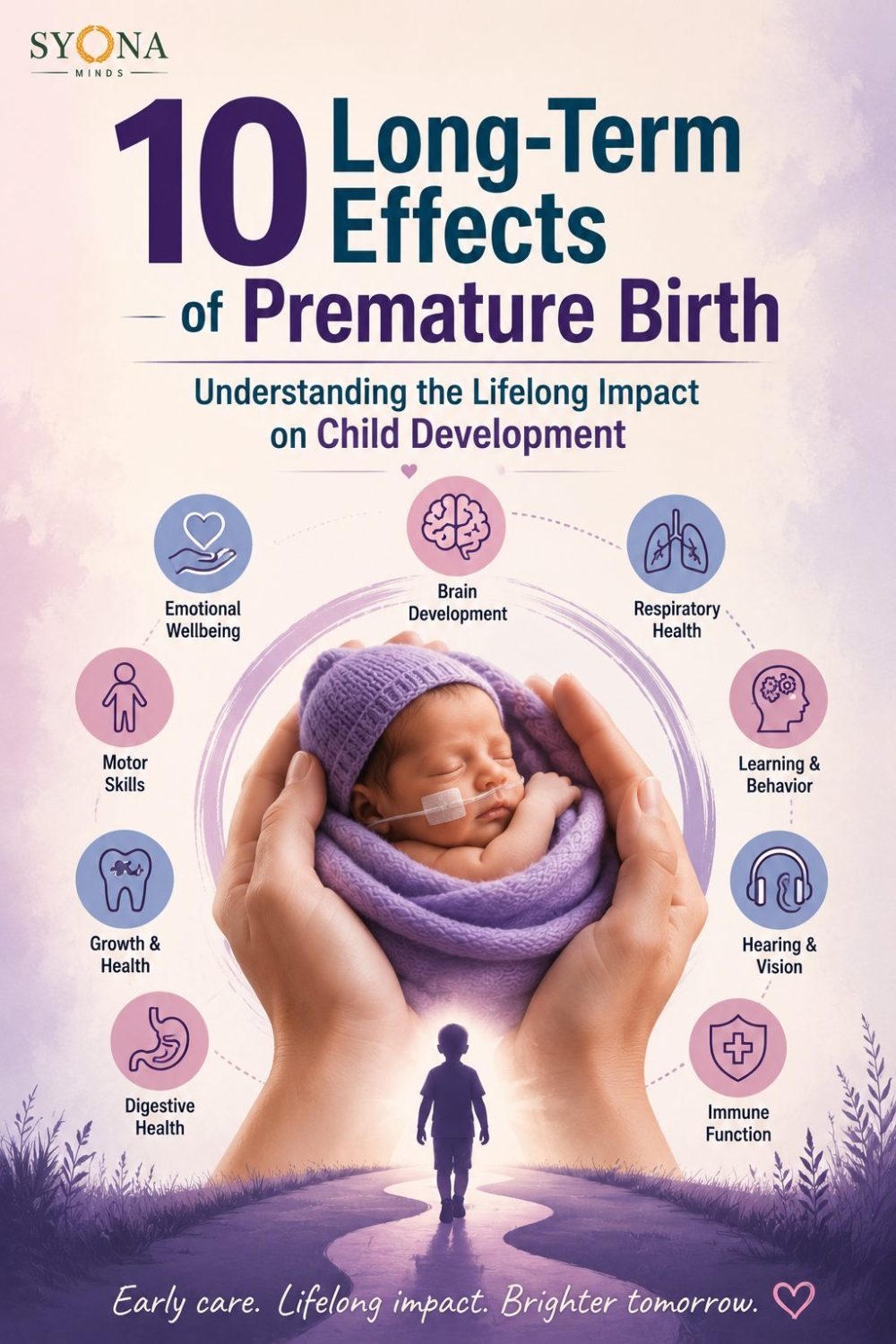
10 Long-Term Effects of Premature Birth
1. Neurodevelopmental and Learning Difficulties
One of the most widely studied long-term effects of premature birth involves brain development.
Because the brain continues developing rapidly during the final trimester, babies born too early may experience subtle or significant differences in cognitive development.
Some children born prematurely may have difficulties with:
- Learning new concepts
- Language development
- Memory
- Problem-solving
- Executive functioning
- Processing speed
These challenges often become more noticeable once children begin school.
Psychological Perspective
Learning differences do not reflect intelligence.
Many premature children develop normal intelligence but simply require additional time, specialized teaching strategies, or educational support.
Early intervention programs—including speech therapy, occupational therapy, and developmental services—can significantly improve long-term outcomes.
2. Chronic Respiratory Problems
The lungs are among the last organs to fully mature before birth.
Premature babies frequently require breathing support because their lungs may lack sufficient surfactant, a substance that keeps the tiny air sacs open.
Although lung function often improves with age, some children continue experiencing respiratory challenges.
These may include:
- Asthma-like symptoms
- Wheezing
- Increased susceptibility to respiratory infections
- Reduced exercise tolerance
- Chronic lung disease in very premature infants
Fortunately, many respiratory symptoms gradually improve throughout childhood with appropriate medical care.
3. Vision Problems
Prematurity can affect normal eye development.
One important condition is Retinopathy of Prematurity (ROP), which occurs when abnormal blood vessels develop in the retina.
While many cases resolve naturally, severe ROP may lead to visual impairment if untreated.
Other vision problems associated with prematurity include:
- Nearsightedness
- Crossed eyes (strabismus)
- Reduced visual acuity
- Difficulty with depth perception
Routine eye examinations during infancy and early childhood allow ophthalmologists to detect and treat many of these conditions before permanent vision loss occurs.
4. Hearing Difficulties
Some premature babies experience hearing impairment due to immature auditory development, infections, or complications related to intensive medical care.
Even mild hearing loss can influence:
- Language development
- Academic performance
- Social communication
This is why newborn hearing screening has become standard practice in many hospitals.
When detected early, hearing aids, speech therapy, and specialized educational support can dramatically improve communication outcomes.
5. Attention, Behavioral, and Emotional Challenges
Research suggests that children born prematurely have a slightly increased likelihood of experiencing behavioral and emotional difficulties during childhood.
These may include:
- Attention difficulties
- Hyperactivity
- Impulsivity
- Anxiety
- Social challenges
- Emotional regulation difficulties
Not every premature child develops these concerns, but parents should remain attentive to developmental milestones and seek evaluation if concerns arise.
Psychological Perspective
Supportive parenting, predictable routines, strong emotional bonds, and early behavioral interventions can greatly improve emotional wellbeing and resilience.
6. Cerebral Palsy and Motor Development Challenges
One of the more serious long-term complications associated with very premature birth is cerebral palsy (CP), a neurological condition that affects movement, muscle tone, posture, and coordination. While the risk is higher in babies born extremely preterm, it’s important to note that most premature babies do not develop cerebral palsy.
CP occurs when the developing brain is injured before, during, or shortly after birth. Premature infants are more vulnerable because their brains are still in critical stages of development.
Possible Signs
Parents may notice:
- Delayed sitting, crawling, or walking
- Muscle stiffness or unusual floppiness
- Difficulty with balance and coordination
- Abnormal muscle movements
- Poor fine motor skills
The severity varies widely. Some children have only mild movement difficulties, while others require lifelong physical support.
Early Intervention Makes a Difference
Early diagnosis allows children to benefit from:
- Physical therapy
- Occupational therapy
- Speech therapy
- Assistive mobility devices when needed
With appropriate treatment, many children with cerebral palsy achieve significant improvements in mobility and independence.
7. Dental and Oral Health Problems
Many people don’t realize that premature birth can influence a child’s oral health.
Because tooth development begins before birth, babies born early may experience differences in how their teeth develop.
Potential Dental Concerns
Children born prematurely may be more likely to experience:
- Delayed tooth eruption
- Enamel defects
- Tooth discoloration
- Increased cavities
- Misaligned teeth
Some premature infants also experience feeding difficulties that may contribute to oral development challenges.
Supporting Healthy Dental Development
Parents can help by:
- Scheduling an early dental visit after the first tooth appears.
- Encouraging proper brushing and oral hygiene.
- Limiting sugary drinks and snacks.
- Attending regular dental check-ups.
Preventive dental care helps reduce future complications and supports healthy development.
8. Weakened Immune Function and Increased Infections
During the final weeks of pregnancy, babies receive important antibodies from their mothers that help protect them after birth.
Premature babies have less time to receive these protective antibodies, making them more susceptible to infections during infancy.
Although the immune system becomes stronger as children grow, some premature infants may experience:
- Frequent respiratory infections
- Ear infections
- Hospitalizations during infancy
- Greater sensitivity to seasonal viruses
Supporting the Immune System
Parents can help protect premature babies by:
- Following recommended vaccination schedules.
- Practicing good hand hygiene.
- Breastfeeding when possible, as breast milk provides valuable immune protection.
- Avoiding exposure to cigarette smoke.
- Limiting contact with sick individuals during early infancy.
Fortunately, immune function usually improves significantly as children grow older.
9. Feeding and Digestive Challenges
The digestive system continues developing throughout the final trimester of pregnancy.
As a result, many premature babies experience feeding difficulties during infancy.
Common challenges may include:
- Poor sucking and swallowing coordination
- Acid reflux (gastroesophageal reflux)
- Slow weight gain
- Feeding intolerance
- Constipation
Some babies born very prematurely may also develop Necrotizing Enterocolitis (NEC) during the newborn period, a serious intestinal condition that requires immediate medical attention.
Long-Term Outlook
Most feeding challenges improve with time as the digestive system matures.
Children who continue to experience difficulties may benefit from:
- Feeding therapy
- Nutritional counseling
- Pediatric gastroenterology care
- Regular growth monitoring
Early nutritional support plays an essential role in healthy brain and body development.
10. Emotional Wellbeing and Mental Health
Growing up after a premature birth can sometimes affect emotional wellbeing.
Some children born prematurely have a slightly higher likelihood of experiencing:
- Anxiety
- Low self-confidence
- Social difficulties
- Emotional sensitivity
- Mood-related concerns during adolescence
These challenges may result from a combination of early medical experiences, developmental differences, and environmental factors.
It’s important to remember that mental health is influenced by many factors not prematurity alone.
Building Emotional Resilience
Parents play a powerful role in supporting emotional health by:
- Creating a safe and predictable home environment.
- Encouraging open communication.
- Validating children’s feelings.
- Building positive self-esteem.
- Seeking professional support when concerns arise.
Strong family relationships and early emotional support can significantly improve long-term wellbeing.
Can Premature Babies Live Healthy, Normal Lives?
Absolutely.
One of the biggest misconceptions about premature birth is that it always leads to lifelong disability.
The reality is much more encouraging.
Many premature babies:
- Reach developmental milestones.
- Perform well in school.
- Participate in sports.
- Graduate from college.
- Build successful careers.
- Have families of their own.
Medical outcomes depend on several factors, including:
- Gestational age at birth.
- Birth weight.
- Overall health.
- Quality of neonatal care.
- Early intervention services.
- Family support.
With advances in neonatal medicine, survival rates and long-term outcomes continue to improve every year.
How Parents Can Support a Child Born Prematurely
Parents are among the most important contributors to a child’s long-term development.
Here are practical ways to support a premature baby’s growth:
Attend Regular Follow-Up Appointments
Premature babies often require ongoing assessments of:
- Growth
- Vision
- Hearing
- Development
- Nutrition
These appointments help identify concerns early when interventions are most effective.
Encourage Development Through Play
Simple activities support healthy brain development:
- Reading books together
- Singing songs
- Talking frequently
- Tummy time (when recommended)
- Age-appropriate play
- Sensory activities
These everyday interactions strengthen cognitive, language, and social skills.
Prioritize Nutrition
Proper nutrition supports:
- Brain development
- Bone growth
- Immune function
- Healthy weight gain
Parents should follow their pediatrician’s recommendations regarding feeding and nutritional supplements.
Watch Developmental Milestones
Premature babies often reach milestones based on their corrected age rather than their birth date.
Parents should discuss developmental expectations with their healthcare provider to better understand what is normal for their child.
Seek Early Intervention When Needed
If developmental delays are suspected, early intervention services may include:
- Speech therapy
- Occupational therapy
- Physical therapy
- Behavioral therapy
- Educational support
Research consistently shows that early intervention improves long-term outcomes.
Can Premature Birth Be Prevented?
Not every premature birth can be prevented.
However, certain healthy habits can reduce the risk.
Before Pregnancy
- Manage chronic medical conditions.
- Achieve a healthy weight.
- Stop smoking and avoid alcohol or recreational drugs.
- Take folic acid as recommended.
- Schedule preconception healthcare visits.
During Pregnancy
- Attend all prenatal appointments.
- Eat a balanced diet.
- Manage stress through healthy coping strategies.
- Treat infections promptly.
- Monitor blood pressure and blood sugar.
- Avoid tobacco, alcohol, and illicit substances.
Women with a history of premature birth may benefit from additional monitoring or preventive treatments recommended by their obstetrician.
Key Takeaways
✔ Premature birth occurs before 37 weeks of pregnancy and affects millions of babies worldwide each year.
✔ Many premature babies grow into healthy children and adults.
✔ The risk of long-term complications generally increases with earlier gestational age.
✔ Possible long-term effects include learning difficulties, respiratory conditions, vision or hearing problems, behavioral challenges, and developmental delays.
✔ Early intervention, regular healthcare, and supportive parenting significantly improve outcomes.
✔ Every child’s journey is unique, and many challenges can be effectively managed with timely care.
Frequently Asked Questions
Can premature babies develop normally?
Yes. Many premature babies achieve normal growth and development, especially when they receive appropriate medical care, developmental monitoring, and family support.
Do all premature babies experience long-term complications?
No. Many children born prematurely experience few or no lasting health problems. Outcomes vary depending on gestational age, birth weight, medical history, and access to healthcare.
When should parents seek developmental evaluation?
Parents should consult their pediatrician if they notice delays in movement, speech, learning, social interaction, or behavior. Early evaluation allows children to receive support when it is most beneficial.
Can premature birth affect school performance?
Some children may experience learning or attention difficulties, but many perform well academically. Schools and healthcare providers can work together to provide additional support if needed.
How often should premature babies have follow-up appointments?
The schedule depends on the baby’s gestational age and medical needs. Pediatricians typically recommend more frequent developmental, vision, hearing, and growth assessments during the first few years of life.
Conclusion
Premature birth can be an unexpected and emotional experience for families, but it is not the end of a child’s story; it is simply the beginning of a different journey.
Although babies born too early may face unique medical and developmental challenges, advances in neonatal care have transformed outcomes over the past few decades. Today, countless children born prematurely grow into healthy, confident, and successful adults.
The key to supporting these children lies in early recognition, consistent medical follow-up, timely intervention, and a nurturing home environment. Every milestone, no matter how small, reflects the remarkable resilience of premature babies and the dedication of the families and healthcare professionals who support them.
Rather than focusing solely on potential complications, parents should remember that every child develops at their own pace. With patience, encouragement, and evidence-based care, children born prematurely can continue to learn, thrive, and reach their full potential.
Knowledge empowers parents to make informed decisions, advocate for their child’s needs, and celebrate every achievement along the way.
References
1. American Academy of Pediatrics. (2023). Caring for Your Premature Baby.
2. Centers for Disease Control and Prevention. (2024). Preterm Birth.
3. March of Dimes. (2024). Premature Birth and Long-Term Health.
4. Saigal, S., & Doyle, L. W. (2008). An overview of mortality and sequelae of preterm birth. The Lancet, 371(9608), 261–269.
5. World Health Organization. (2023). Preterm Birth Fact Sheet.