A Psychological Perspective
Summary
Most of us revisit the past through memories. We remember a school event, an old song, or a special conversation and continue with our day. A flashback, however, is different. It can feel as if the past suddenly invades the present.
During a flashback, a person may temporarily experience emotions, sensations, images, or bodily reactions linked to a previous event. Rather than feeling like a memory, it can feel as though the event is happening all over again (American Psychiatric Association [APA], 2022).
Flashbacks are often associated with trauma and Post-Traumatic Stress Disorder (PTSD), but they can also occur in other psychological conditions and periods of intense emotional stress (World Health Organisation [WHO], 2019).
Introduction
Imagine yourself seated in a bright, cozy room, warmed by sunlight streaming through the windows. You feel safe and at ease, when suddenly, a specific sound a distant siren, a familiar song, or perhaps the faint scent of a long-remembered meal suddenly triggers an unexpected and overwhelming wave of fear. Your heart begins to race as if it’s trying to escape, your muscles tense involuntarily, and for a fleeting moment, you are swept back to a challenging experience, as though it is happening all over again. This vivid sensation encapsulates what a flashback can feel like for many individuals.
Post-traumatic stress disorder (PTSD) stands out among psychiatric disorders as it uniquely hinges on the connection between a specific traumatic event and the emotional responses that follow. Such traumatic occurrences can range from the chaos of war and acts of terrorism to the profound impacts of personal violence and natural disasters. While not everyone who undergoes trauma will develop PTSD, a notable fraction of individuals may find themselves grappling with its effects.
It’s crucial to reframe the perception of flashbacks; they are not indicators of weakness or a descent into unreality. Rather, they represent the brain’s complex effort to process experiences that were, at the time, too intense to comprehend fully. Understanding this dynamic allows us to cultivate a more empathetic view toward those experiencing flashbacks, reducing stigma and paving the way for individuals to seek the support and healing they deserve.
A Brief History
The phenomenon recognised today as flashbacks has a significant historical context, particularly among soldiers returning from combat. In World War I, the psychological impact of warfare was characterised by symptoms now referred to as “shell shock,” a term that encompassed a range of debilitating psychological effects experienced by soldiers exposed to the chaos of trench warfare. These effects often included severe anxiety, emotional numbness, and intrusive memories of traumatic experiences.
As the understanding of these psychological responses evolved, World War II brought a new terminology to the forefront with phrases like “combat fatigue”. This term reflected the mental exhaustion and psychological trauma experienced by soldiers subjected to prolonged periods of intense combat and stress. Mental health professionals began to observe that many of these service members were not merely reflecting on past experiences; instead, they appeared to be reliving those traumatic moments as if they were happening again in the present.
The recognition of these symptoms laid the groundwork for a formal classification in the field of mental health. In 1980, the American Psychiatric Association included Post-Traumatic Stress Disorder (PTSD) in the Diagnostic and Statistical Manual of Mental Disorders (DSM-III). This marked a significant turning point, as PTSD became acknowledged as a legitimate psychological condition, with flashbacks identified as one of its hallmark symptoms. These flashbacks can be intensely vivid and distressing, causing individuals to feel as though they are re-experiencing the trauma, often leading to significant impairment in their daily functioning and quality of life (APA, 2022).
How Common Are Flashbacks?
Flashbacks are frequently reported among individuals who have faced a range of intense and distressing experiences, including:
1. Physical, emotional, or sexual abuse: Such experiences can leave deep psychological scars, making memories of these events particularly vivid and overwhelming.
2. Serious accidents: The sudden nature of accidents can create powerful, lingering memories that may resurface unexpectedly.
3. Military combat: Soldiers may encounter harrowing situations that lead to vivid re-experiences of combat, as the mind struggles to process traumatic events.
4. Natural disasters: The chaos and destruction of events like floods, earthquakes, or hurricanes can engrave disturbing memories into the psyche.
5. Medical trauma: Experiencing severe illness or medical emergencies can lead to strong emotional responses, prompting flashbacks.
6. Witnessing violence: Observing violent acts can trigger intense memories that feel as though they are happening in real-time again.
7. Childhood adversity: Early experiences of trauma or neglect can profoundly impact emotional health, leading to flashbacks in later life.
It’s essential to recognise that not every individual who undergoes trauma will develop flashbacks. A complex interplay of factors, including the presence of social support, individual coping mechanisms, genetic predispositions, and previous life experiences, significantly influences how a person responds to challenging situations (WHO, 2019). By fostering an understanding of these dynamics, we can create a more compassionate and supportive atmosphere for those facing the challenges of flashbacks, ultimately encouraging effective healing and resilience.
Why Do Flashbacks Occur?
A constructive way to conceptualise memory is to envision it as an intricately organised library. In this imagined library, most of our memories are systematically catalogued and placed on designated shelves, allowing us to retrieve them effortlessly when desired. This organised structure facilitates our ability to reflect on past experiences, revisit cherished moments, or learn from earlier lessons.
However, traumatic experiences can disrupt this orderly system. Rather than being neatly filed away, these significant events may leave behind disjointed fragments of emotion, sensation, and fear that linger in our minds and remain readily accessible (Brewin, Dalgleish, & Joseph, 1996). This can create a scenario where certain triggers, such as a particular smell, a familiar sound, a specific location, or even an emotional state, can prompt the brain to activate these memories. When this happens, it can feel as though we are re-experiencing the traumatic event, as if the threat is occurring in the present moment (Ehlers & Clark, 2000).
It’s crucial to understand that this response is not a sign of weakness or dysfunction; rather, it is a natural protective mechanism employed by our brain. In its attempt to safeguard our well-being, the brain is using these memories to alert us to potential dangers based on past experiences. Acknowledging this instinctive process can foster a more empathetic view towards ourselves and others who are grappling with the effects of trauma. By recognising the brain’s protective intentions, we can work towards healing and developing healthier coping strategies to manage these powerful memories.
Symptoms of Flashbacks
- Emotional Symptoms
Sudden Fear or Panic: Experiencing an overwhelming sense of dread or terror that can strike unexpectedly, leaving you feeling paralysed or frantic.
Anxiety: A persistent feeling of unease or apprehension, often accompanied by worries about potential dangers or negative outcomes.
Helplessness: A profound sense of powerlessness, where you feel as though you are unable to control your circumstances or influence your situation.
Shame: Intense feelings of embarrassment or guilt, often stemming from perceived failures or shortcomings.
Anger: An emotional response that may manifest as frustration or rage, often directed towards oneself or others due to perceived injustices or threats.
Emotional Numbness: A feeling of detachment or blankness, as if you’re unable to connect with your emotions or those of others around you.
- Physical Symptoms
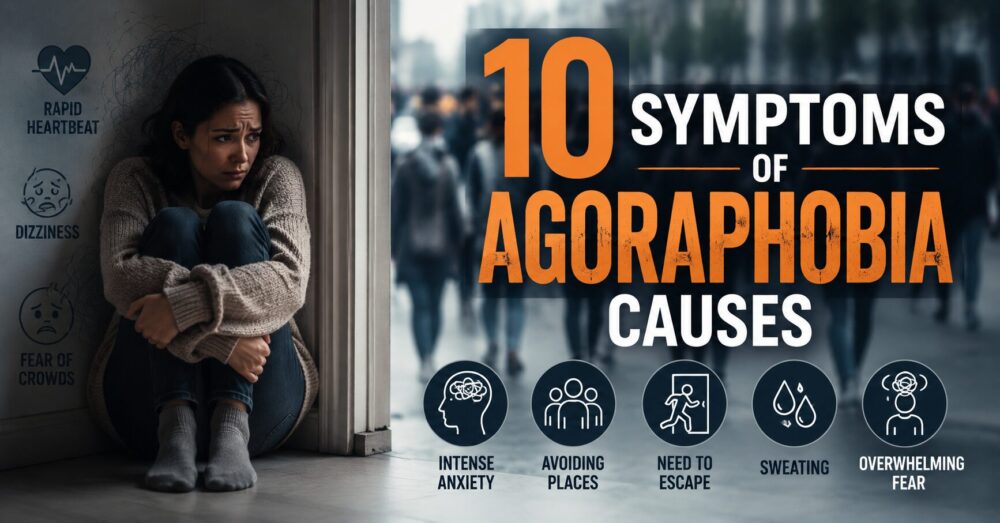
Rapid Heartbeat: An elevated heart rate that may feel as if your heart is racing or pounding in your chest, often linked to anxiety or stress.
Sweating: Excessive perspiration that can occur even in cool environments, sometimes accompanied by a clammy feeling on the skin.
Trembling: Involuntary shaking or quivering of the body, which can be exacerbated by fear or anxiety.
Muscle Tension: A noticeable tightness or stiffness in the muscles, often making it difficult to relax or move comfortably.
Dizziness: A sensation of lightheadedness or an unsteady feeling that can leave you feeling faint or as if you might lose your balance.
Difficulty Breathing: A struggle to take deep breaths, sometimes manifesting as shortness of breath or a tight feeling in the chest.
- Cognitive Symptoms
Feeling Disconnected from the Present: A sense of detachment, as if you are observing life from a distance rather than fully engaging in it.
Confusion about Time: An altered perception of time, where minutes can feel like hours or vice versa, making it hard to keep track of reality.
Intrusive Memories: Unwanted recollections of distressing events that can disrupt your thoughts and emotions, often appearing suddenly and vividly.
Difficulty Concentrating: Struggling to focus on tasks or conversations, often feeling mentally foggy or distracted despite efforts to concentrate.
Behavioral Symptoms
Avoidance of Certain Places or People: Deliberately steering clear of environments or individuals that trigger anxiety or discomfort, often leading to isolation.
Withdrawal from Activities: Losing interest in previously enjoyed hobbies or social events, resulting in a tendency to isolate oneself from friends and family.
Hypervigilance: A heightened state of alertness, where you constantly scan your environment for potential threats or dangers, often feeling tense and on edge.
Difficulty Communicating During Episodes: Challenges in expressing thoughts or feelings effectively during moments of distress, leading to misunderstandings or feelings of frustration.
(APA, 2022; WHO, 2019)
What Happens in the Brain?
The Amygdala
Often referred to as the brain’s alarm system, the amygdala functions as a critical early warning mechanism. This almond-shaped structure quickly identifies potential threats in our environment, triggering an array of survival responses designed to ensure our safety. When faced with danger, the amygdala activates pathways that prepare the body for a rapid reaction, often described as the fight-or-flight response (LeDoux, 1996).
The Hippocampus
The hippocampus serves a vital role in shaping our memories by providing them with context. It organises experiences by anchoring them to specific times and places, essentially helping us navigate our past. This function is crucial for learning and recall, allowing us to understand not just what happened, but also when and where it took place (Brewin, 2014).
The Prefrontal Cortex
This area of the brain is fundamental for rational thought and decision-making, allowing us to assess our surroundings and determine whether we are safe. During a traumatic flashback, however, the dynamics shift dramatically. The emotional brain systems, particularly those linked to the amygdala, can become more active, overshadowing the logical processing functions of the prefrontal cortex. As a result, an individual may feel as though they are reliving the traumatic event in real time, rather than merely recalling a memory from their past (Ehlers & Clark, 2000).
PTSD Flashbacks vs General Flashbacks
PTSD Flashbacks
- Flashbacks associated with Post-Traumatic Stress Disorder (PTSD) are typically connected to significant, often life-altering trauma. This trauma can include experiences such as combat, severe accidents, or violent assaults.
- These flashbacks often feel remarkably immersive, to the point where individuals may feel as though they are re-living the traumatic event. This vivid recollection can involve intense sensory experiences, such as sights, sounds, and smells associated with the trauma.
- Individuals experiencing these flashbacks frequently report intense feelings of fear, anxiety, and helplessness, which can be overwhelming and distressing.
- The impact of these flashbacks can severely disrupt daily functioning, making it difficult for individuals to engage in routine activities, maintain relationships, or participate in work or school.
- Flashbacks in PTSD often occur alongside other symptoms such as nightmares related to the trauma, avoidance of reminders of the traumatic event, and a heightened state of vigilance known as hypervigilance. These symptoms can further complicate one’s ability to cope with daily life (APA, 2022).
General Symptomatic Flashbacks
- General symptomatic flashbacks can occur in various emotional contexts, including anxiety, panic attacks, grief, or periods of significant emotional distress. These flashbacks may be triggered by specific situations, memories, or stimuli that evoke strong emotional responses.
- Unlike PTSD flashbacks, these experiences often involve strong memories or emotional reactions but do not necessarily entail a complete re-experiencing of the original event. Instead, they may present as sudden and powerful recollections or feelings related to past experiences.
- Typically, these flashbacks are shorter in duration, often lasting only a few moments, and may not be as immersive as those experienced in PTSD.
- It’s important to note that while these flashbacks can be distressing, they may not meet the diagnostic criteria for PTSD, as they do not necessarily originate from a significant traumatic event recognised by the criteria established for PTSD (WHO, 2019).
What Research Has Taught Us
- Flashbacks Are Not Always Visual
While many people envision flashbacks as vivid movie-like scenes replaying in their minds, the reality is more complex. For numerous individuals, these flashbacks manifest in various non-visual forms. Instead of images, they might experience:
- Smells: Certain scents can trigger intense memories related to past trauma.
- Sounds: Auditory cues, such as specific voices or environmental noises, may resurface feelings tied to traumatic experiences.
- Body Sensations: Physical sensations, like tightness in the chest or a racing heart, can arise, reflecting the body’s response to memories of distress.
- Emotions: Before even recalling specific events, individuals might be overwhelmed by feelings of fear, sadness, or anger.
- Physical Discomfort: Unexplained aches or pains might accompany flashbacks, representing the body’s way of expressing unprocessed emotional pain (Brewin, 2014).
- Trauma Changes Memory Processing
Investigations into how trauma affects memory have revealed that traumatic memories are processed and stored distinctly compared to regular memories. This difference stems from the brain’s heightened focus on survival-related information during traumatic events. As a result, the brain prioritises these memories, leading to alterations in how they are recalled and stored, often resulting in fragmented recollections rather than coherent narratives. This unique processing can shape a person’s ongoing mental health and their ability to manage reminders of the trauma (Brewin et al., 1996).
- The Brain Can Recover
Encouragingly, research utilising neuroimaging techniques shows that effective trauma treatment can significantly enhance communication between the brain’s emotional and cognitive regions. This improved connectivity leads to a reduction in the intensity and frequency of flashbacks over time. As individuals engage in therapeutic interventions, such as cognitive behavioural therapy or EMDR (Eye Movement Desensitisation and Reprocessing), they may find that not only do their flashbacks diminish, but their overall emotional regulation and mental resilience improve, allowing for healthier processing of traumatic memories (Van der Kolk, 2014).
Coping Strategies During a Flashback
1. Recognise Your Triggers
Take some time to observe and identify specific places, smells, sounds, people, or situations that tend to trigger memories from the past. By understanding these triggers, you can reduce the unpredictable nature of flashbacks, making them feel less overwhelming and more manageable.
2. Use Grounding Techniques
When you find your mind drifting back to distressing memories, gently bring your focus back to the present moment. You can do this by engaging in grounding techniques such as:
- Name five things you can see in your environment to anchor yourself visually.
- Touch four different objects around you to reconnect with your sense of touch.
- Listening intently for three distinct sounds in your surroundings, helping you remain present audibly.
- Feeling your feet firmly planted on the ground creates a sense of stability and safety.
3. Practice Slow Breathing
Deep and deliberate breathing can be incredibly effective in calming your body’s stress response. Taking slow, measured breaths helps restore a sense of control, allowing you to ease any tension you may be feeling.
4. Use Mindfulness
Instead of resisting or battling against distressing memories, practice mindfulness by focusing your attention on the here and now. Observe the sensations, thoughts, and feelings that arise without judgment, allowing yourself to experience the moment fully.
5. Keep a Journal
Writing can serve as a powerful tool to help you process and organise overwhelming thoughts and emotions. By putting your feelings down on paper, you can provide clarity to chaotic thoughts and reduce their emotional intensity.
6. Practice Self-Compassion
It’s essential to treat yourself with the same kindness and understanding you would offer a friend. Embrace self-compassion by acknowledging your struggles without self-judgment, as feelings of shame often exacerbate distress.
7. Reach Out for Support
Connecting with trusted friends, family members, or mental health professionals can help diminish feelings of isolation. Sharing your experiences and feelings can provide relief and foster a sense of community, reminding you that you are not alone in your journey.
Treatment
Trauma-Focused Cognitive Behavioural Therapy (TF-CBT) is a structured, evidence-based treatment that assists individuals, particularly children and adolescents, in recognising and confronting unhelpful thoughts related to trauma. This therapeutic approach empowers clients to reframe their understanding of traumatic events, ultimately fostering healthier coping mechanisms and reducing the emotional distress associated with those thoughts (APA Clinical Practice Guideline, 2017).
Eye Movement Desensitisation and Reprocessing (EMDR) is a specialised therapy designed to help individuals process and integrate traumatic memories. Through a series of guided eye movements, clients can diminish the emotional impact of distressing memories, allowing their brains to store these experiences less overwhelmingly. This method can significantly reduce symptoms of trauma and is based on the premise that processing these memories can lead to substantial improvements in emotional well-being (Shapiro, 2018).
Mindfulness-Based Approaches focus on enhancing emotional regulation and promoting awareness of the present moment. These techniques encourage individuals to engage with their thoughts and feelings in a non-judgmental way, fostering a greater sense of self-awareness and acceptance. By practising mindfulness, people can learn to manage their emotional responses more effectively, which can be particularly beneficial for those recovering from trauma.
Medication may be considered as part of a comprehensive treatment plan when trauma-related symptoms such as anxiety, depression, or post-traumatic stress significantly disrupt daily functioning. Various medications, including antidepressants or anti-anxiety drugs, can help alleviate symptoms, allowing individuals to engage more fully in therapy and daily activities (NICE, 2018).
Key Takeaways
- Flashbacks are more than memories; they can feel like reliving the past.
- They are commonly associated with trauma but can also occur in anxiety, panic, grief, and other psychological conditions.
- Flashbacks can involve emotions, smells, sounds, sensations, or vivid images.
- Grounding, mindfulness, and trigger awareness can help reduce distress.
- Therapy and professional support are highly effective.
- Recovery is possible, and many people experience substantial improvement with treatment.
Conclusion
Flashbacks remind us that the brain’s primary goal is survival. Sometimes it holds onto overwhelming experiences in ways that make the past feel present.
The encouraging news is that flashbacks are understandable, treatable, and manageable. With awareness, support, and evidence-based interventions, individuals can learn to reconnect with the present and regain a sense of safety.
A flashback may feel like the past has returned, but healing begins when we remember that the past is not happening now.