Introduction
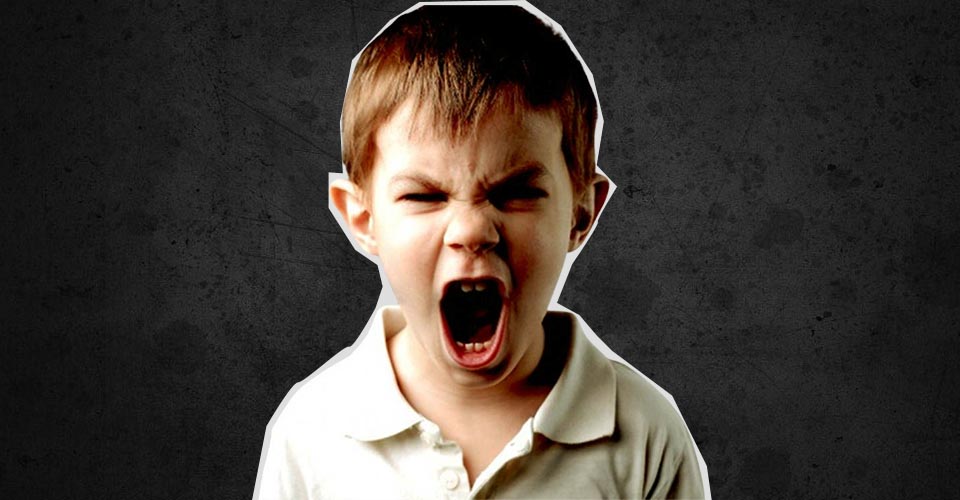
Have you ever noticed how kids get easily overwhelmed by their surroundings, be it noisy classrooms, busy schedules, or endless screen time? Imagine if we could help them handle these challenges with a calm mind and sharper focus.
I recall a moment with my niece when she was stressed about a school project. Instead of spiraling into panic, she paused, took a few deep breaths, and tackled her task with a clear head. This simple act was a result of practicing mindfulness—a skill we can all teach our children to enhance their emotional resilience and focus.
Let’s explore how mindfulness techniques can transform our kids’ ability to stay calm and collected in an ever-distracting world.
What Is Mindfulness, and Why Is It Important for Kids?
Mindfulness is the practice of being fully present in the moment without judgment. For children, this means paying attention to their thoughts, feelings, and surroundings in a way that fosters curiosity and self-compassion.
Benefits of Mindfulness for Kids
- Improved Focus: Activities like mindful breathing enhance concentration.
- Better Emotional Regulation: Helps kids process their feelings calmly.
- Reduced Anxiety: Teaches kids to manage worries through grounding techniques.
- Increased Empathy: Encourages kindness toward themselves and others.
Simple Mindfulness Techniques for Kids
1. Mindful Breathing
Focus on breathing deeply and slowly. Techniques like “balloon breathing” (expanding the belly like a balloon) are perfect for younger children.
2. Sensory Walks
Take a nature walk and ask kids to focus on what they see, hear, smell, and feel.
3. Gratitude Journaling
Encourage children to jot down three things they’re grateful for daily.
4. Mindful Eating
Guide kids to savor each bite, paying attention to taste, texture, and smell.
5. Calm Jar Activity
Create a jar filled with glitter and water. Shaking it represents a busy mind; watching it settle teaches patience and focus.
How Mindfulness Differs from Meditation
Mindfulness is a broader concept that can involve various activities (like paying attention to one’s surroundings), while meditation is a structured practice to cultivate mindfulness. Children often find mindfulness exercises easier to adopt than formal meditation.
Overcoming Common Challenges
Misconception: Mindfulness Is Only for Adults
Mindfulness can be playful and engaging, using activities like games or creative tasks.
Misconception: Mindfulness Requires Time
Short exercises, like a one-minute breathing break, can make a big impact.
Misconception: It’s Expensive
Many mindfulness activities are free and require no special equipment.
Key Takeaways
- Mindfulness is a flexible and accessible tool for kids.
- Techniques like mindful breathing and gratitude journaling improve focus and emotional regulation.
- Short, fun activities work best for younger children.
At a Glance
| Benefits | Activities | Tips |
|---|---|---|
| Better Focus | Mindful Breathing | Start small |
| Reduced Anxiety | Sensory Walks | Keep it fun and playful |
| Emotional Regulation | Gratitude Journaling | Be consistent |
| Increased Empathy | Calm Jar Activity | Model mindfulness yourself |
FAQs
Q: How early can kids start practicing mindfulness?
A: Children as young as three can engage in simple mindfulness activities like sensory walks or guided breathing.
Q: How much time does mindfulness require daily?
A: Even five minutes of mindful activity can have noticeable benefits.
Q: Are there any tools to help teach mindfulness to kids?
A: Yes, tools like gratitude journals, mindful coloring books, and apps like Headspace for Kids can be helpful.
Conclusion
By incorporating mindfulness into our kids’ lives, we equip them with a lifelong skill to navigate challenges with calm and focus. The journey to mindfulness doesn’t need to be perfect or complex—just consistent and fun. Let’s start today, one mindful moment at a time.