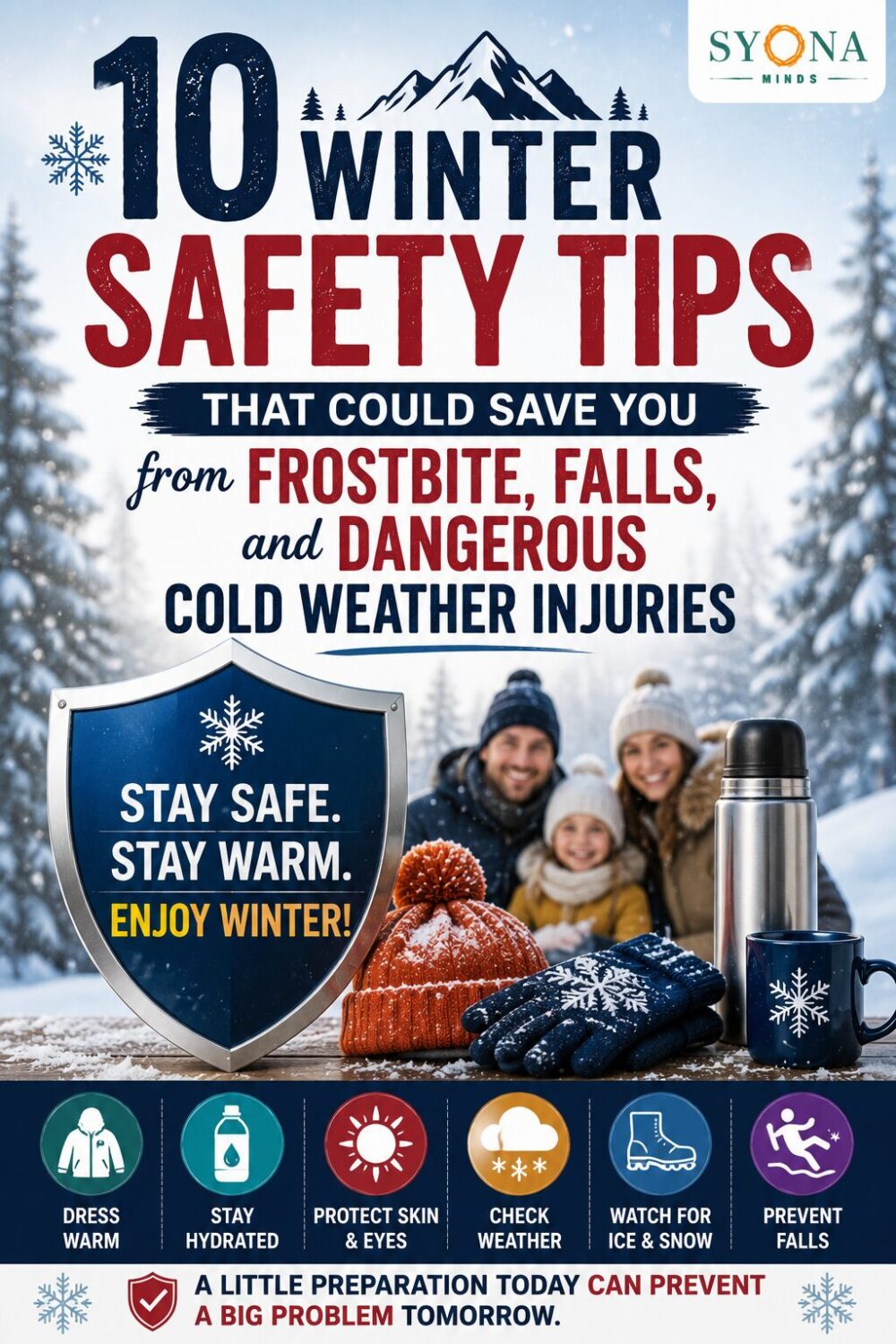
The Complete Winter Safety Guide to Staying Warm, Safe, and Injury-Free This Winter
Summary
Winter is one of the most beautiful seasons of the year. Snow-covered landscapes, cozy evenings, festive celebrations, skiing trips, and family adventures make it a season many people eagerly anticipate. But beneath the beauty of falling snow and frosty mornings lies a hidden reality winter can also be one of the most dangerous times of the year if we aren’t properly prepared.
Every year, thousands of people are hospitalized because of preventable winter-related injuries such as frostbite, hypothermia, falls on icy surfaces, road accidents, and snow sports injuries. According to the Centers for Disease Control and Prevention (CDC), prolonged exposure to extreme cold can quickly become life-threatening, particularly for children, older adults, and people with underlying medical conditions.
The encouraging news is that most winter accidents are preventable. By understanding how cold weather affects the body, dressing appropriately, staying aware of changing weather conditions, and following a few simple safety habits, you can confidently enjoy everything winter has to offer.
Whether you’re heading to the mountains, taking your children sledding, walking your dog, commuting to work, or simply enjoying a snowy afternoon outdoors, this comprehensive guide will help you stay warm, safe, and prepared throughout the winter season.
Introduction
Think Winter Is Harmless? Think Again. These Simple Safety Tips Could Protect You and Your Family.
Winter brings some of life’s most memorable moments: children building snowmen, families gathering around warm fireplaces, breathtaking mountain vacations, holiday celebrations, and peaceful walks through snow-covered parks. For many people, it’s the most magical season of the year.
However, winter also brings hidden dangers that are often underestimated.
Each year, emergency departments treat thousands of people for injuries caused by icy sidewalks, frostbite, hypothermia, carbon monoxide exposure, winter sports accidents, and road collisions during snowstorms. Surprisingly, many of these incidents happen during everyday activities not just extreme outdoor adventures.
What makes winter especially risky is that many hazards aren’t immediately obvious. A seemingly harmless layer of snow may conceal black ice. Cold temperatures combined with wind can increase the risk of frostbite in just minutes. Even dehydration, which many people associate only with summer, is surprisingly common during winter.
The good news is that staying safe doesn’t require expensive equipment or survival training. It starts with awareness, preparation, and a few smart habits that anyone can adopt.
In this guide, you’ll discover practical, science-backed winter safety tips that will help protect you and your loved ones while ensuring you can enjoy the season without unnecessary risks.
Why Winter Safety Matters More Than You Think
When people think about winter hazards, they often picture heavy snowstorms or blizzards.
In reality, many winter injuries happen during ordinary daily routines.
You might slip while walking to your car, underestimate the wind chill during a short walk, or spend too much time outdoors without realizing your body temperature is dropping.
Cold weather affects the body in several ways:
- Blood vessels narrow to preserve heat.
- Muscles become stiffer, increasing the likelihood of strains.
- Cold air makes breathing more difficult for some people.
- Reduced daylight can affect mood and concentration.
- Ice creates unstable walking and driving conditions.
These changes increase the likelihood of accidents even among healthy adults.
Understanding these risks is the first step toward preventing them.
The Hidden Dangers of Cold Weather
Winter isn’t dangerous because of snow alone.
Many hazards are invisible until it’s too late.
Frostbite
Frostbite occurs when skin and underlying tissues freeze after prolonged exposure to cold temperatures.
Commonly affected areas include:
- Fingers
- Toes
- Nose
- Ears
- Cheeks
Early symptoms include tingling, numbness, pale skin, and a burning sensation.
Without prompt treatment, frostbite can permanently damage tissues.
Hypothermia
Hypothermia develops when the body’s core temperature falls below 35°C (95°F).
It can happen surprisingly quickly in wet, windy conditions even when temperatures aren’t below freezing.
Symptoms include:
- Intense shivering
- Slurred speech
- Confusion
- Fatigue
- Poor coordination
Without immediate medical attention, hypothermia can become life-threatening.
Winter Falls
Ice is responsible for millions of injuries worldwide every year.
Black ice is especially dangerous because it’s almost invisible.
Even healthy adults can lose balance unexpectedly.
Older adults face an even greater risk because falls often result in fractures requiring lengthy recovery.
Road Accidents
Snow, freezing rain, fog, and reduced visibility all increase the likelihood of traffic collisions.
Poor tire traction and longer stopping distances make defensive driving essential during winter.
10 Essential Winter Safety Tips
1. Dress in Layers—Not Just Thick Clothes
Many people believe wearing one heavy jacket is enough.
It isn’t.
The secret to staying warm isn’t thicker clothing; it’s smarter layering. Each layer serves a different purpose.
The Three-Layer Rule
Base Layer
The base layer should keep moisture away from your skin.
Choose:
- Merino wool
- Polyester
- Moisture-wicking thermal fabrics
Avoid cotton.
Cotton absorbs sweat and remains wet, making you colder.
Middle Layer
This layer traps warm air.
Good options include:
- Fleece
- Wool sweaters
- Down insulation
Outer Layer
Protect yourself from:
- Wind
- Snow
- Rain
Choose waterproof and windproof jackets made from breathable materials.
Don’t Forget the Extremities
Your body naturally directs blood toward vital organs during cold weather.
This leaves fingers, toes, ears, and the nose more vulnerable.
Always wear:
- Thermal gloves
- Warm socks
- Insulated boots
- A winter hat
- A scarf or neck warmer
Contrary to popular belief, the body doesn’t lose exactly 40% of its heat through the head but uncovered heads still lose significant heat, making hats an important part of winter clothing.
Why This Matters
Proper layering helps regulate body temperature while preventing both overheating and dangerous heat loss.
2. Don’t Let Winter Fool You—Stay Hydrated
Most people associate dehydration with hot summer days. In reality, dehydration is just as common during winter. Cold weather reduces your thirst sensation, causing many people to drink less water without realising it.
Meanwhile, your body continues losing fluids through:
- Breathing cold air
- Physical activity
- Sweat trapped beneath clothing
- Dry indoor heating
Even mild dehydration can cause:
- Fatigue
- Headaches
- Poor concentration
- Muscle cramps
- Reduced physical performance
Simple Ways to Stay Hydrated
- Carry a reusable water bottle.
- Drink warm herbal teas.
- Enjoy clear soups and broths.
- Eat fruits with high water content.
Avoid relying heavily on alcohol or excessive caffeine, as both can contribute to dehydration.
Expert Tip
Check your urine color.
Light yellow usually indicates adequate hydration.
3. Protect Your Skin and Eyes—Even on Cloudy Days
Many people skip sunscreen during winter. This is one of the season’s most overlooked mistakes. Snow reflects up to 80% of ultraviolet (UV) radiation, significantly increasing sun exposure.
If you’re skiing or spending time in mountainous regions, UV exposure becomes even stronger because thinner air filters less radiation.
Protect Your Skin
Apply sunscreen with:
- SPF 30 or higher
- Broad-spectrum protection
- Water resistance
Don’t forget:
- Lips
- Ears
- Neck
- Hands
Protect Your Eyes
Snow glare can lead to:
- Eye strain
- Temporary vision loss (snow blindness)
- Long-term UV damage
Wear:
- UV-protective sunglasses
- Ski goggles during snow sports
Why This Matters
Protecting your skin and eyes prevents painful burns and reduces long-term damage from UV exposure.
4. Never Leave Home Without Checking These Four Weather Conditions
Many people simply check the temperature.
That’s not enough.
Before heading outdoors, also check:
1. Wind Chill
Wind removes body heat rapidly.
A temperature of -5°C can feel like -15°C when strong winds are present.
2. Snowfall Forecast
Heavy snowfall reduces visibility and creates hazardous driving conditions.
3. Ice Warnings
Freezing rain often creates black ice before snow begins.
4. Visibility
Fog, snowstorms, and blowing snow can reduce visibility within minutes.
Expert Tip
Enable severe weather alerts on your smartphone before traveling.
5. Thin Ice Looks Safe Until It Isn’t
Frozen lakes and ponds attract skaters, anglers, and snowmobilers every winter. Unfortunately, appearances can be deceiving. Ice thickness varies across the same body of water.
General guidelines suggest:
- 15 cm (6 inches): Walking or skating
- 20 cm (8 inches): Small groups
- 25–30 cm (10–12 inches): Snowmobiles
Never assume ice is safe simply because others are using it.
Avoid Ice Near
- Bridges
- Moving water
- Streams
- Docks
- Areas covered with snow
Snow can insulate thinner ice, making it appear stronger than it really is.
If Someone Falls Through Ice
- Do not run toward them.
- Call emergency services immediately.
- Throw a rope, ladder, or long branch.
- Avoid becoming another victim.
Why This Matters
Many ice-related emergencies occur because people overestimate the strength of frozen surfaces.
6. Keep Children Safe: They Get Cold Faster Than Adults
Watching children laugh as they build snowmen, make snow angels, or race down sledding hills is one of winter’s greatest joys. But children are also much more vulnerable to cold-related illnesses because their bodies lose heat faster than adults.
Unlike adults, children may become so absorbed in playing that they don’t notice when they’re getting too cold. They might not tell you they’re uncomfortable until they’re already showing signs of frostbite or hypothermia.
Dress Children Smartly
Children should wear several lightweight layers rather than one bulky jacket. This allows trapped warm air to insulate the body while making it easy to remove layers if they become too warm.
Make sure they wear:
- Waterproof jackets and pants
- Thermal gloves or mittens
- Thick wool socks
- Waterproof insulated boots
- A warm hat that covers the ears
- A scarf or neck warmer
Always replace wet gloves or socks immediately. Wet clothing causes the body to lose heat much faster.
Take Warm-Up Breaks
Schedule breaks every 30–45 minutes during extended outdoor play.
Offer:
- Warm drinks
- Healthy snacks
- Time indoors to regain body heat
Watch for Early Warning Signs
Stop outdoor activities immediately if your child develops:
- Pale skin
- Excessive shivering
- Slurred speech
- Fatigue
- Confusion
- Complaints of numb fingers or toes
Why This Matters
Children depend on adults to recognize early warning signs. Regular supervision can prevent serious cold-related illnesses before they become emergencies.
7. Enjoy Winter Sports Safely
Skiing, snowboarding, snowshoeing, and ice skating are wonderful ways to stay active during winter but they also carry risks if proper precautions aren’t taken.
Many winter sports injuries happen because people overestimate their abilities or neglect basic safety measures.
Wear the Right Protective Gear
Never ski or snowboard without:
- A properly fitted helmet
- UV-protective goggles
- Wrist guards (especially for snowboarders)
- Waterproof gloves
A helmet can significantly reduce the risk of serious head injuries.
Check Your Equipment
Before every trip:
- Inspect skis or snowboards.
- Ensure bindings are adjusted correctly.
- Check helmets for damage.
- Tighten loose equipment.
Poorly maintained equipment contributes to many preventable accidents each year.
Know Your Skill Level
- Choose slopes that match your experience.
- Many injuries occur when beginners attempt advanced terrain too early.
- If you’re new to winter sports, consider taking lessons from a certified instructor before venturing onto more challenging slopes.
Stay Aware of Fatigue
- Most skiing accidents happen later in the day when muscles become tired.
- If you’re exhausted, stop.
- One more run isn’t worth risking an injury.
Why This Matters
Proper preparation and realistic decision-making greatly reduce the likelihood of serious winter sports injuries.
8. Sledding Can Be Fun—If You Choose the Right Hill
Sledding and tobogganing are family favorites, but choosing an unsafe location can quickly turn fun into an emergency.
Choose Safe Hills
Look for hills that:
- Have a gentle slope
- End on flat ground
- Are free from roads
- Avoid ponds or lakes
- Have no trees, fences, rocks, or poles
Choose Safe Equipment
- Avoid inflatable tubes whenever possible.
- Traditional sleds with steering capabilities offer much better control.
- Inspect sleds before use for cracks or broken parts.
Wear Helmets
Although many families overlook helmets while sledding, they can significantly reduce the risk of serious head injuries.
Never Sled After Dark
Reduced visibility increases the chance of collisions with hidden obstacles.
Why This Matters
Most sledding injuries happen because of unsafe terrain not because of speed.
9. Carry a Winter Emergency Kit Wherever You Go
Whether you’re driving, hiking, skiing, or spending the day outdoors, carrying a winter emergency kit can make a critical difference during unexpected situations.
Your Winter Emergency Kit Should Include:
✔ First aid kit
✔ Flashlight
✔ Extra batteries
✔ Water bottles
✔ High-energy snacks
✔ Emergency blanket
✔ Hand warmers
✔ Phone charger or power bank
✔ Extra gloves and socks
✔ Multi-tool
✔ Whistle
✔ Small shovel (for vehicles)
✔ Ice scraper
✔ Jumper cables
✔ Reflective warning triangle
If traveling by car, also keep:
- Sand or cat litter for traction
- Tow rope
- Spare winter clothing
- Blankets
Why This Matters
Winter weather can change rapidly. Having emergency supplies can keep you safe if you’re stranded or delayed.
10. Know the Warning Signs of Frostbite and Hypothermia
Recognizing cold-weather illnesses early can save lives.
Early Signs of Frostbite
Watch for:
- Tingling
- Numbness
- White, gray, or waxy skin
- Burning sensation
- Hard skin
What To Do
- Move indoors immediately.
- Warm the area gradually.
- Do NOT rub frozen skin.
- Seek medical care if symptoms persist.
Early Signs of Hypothermia
Symptoms include:
- Violent shivering
- Confusion
- Slurred speech
- Clumsiness
- Extreme tiredness
- Slow breathing
What To Do
- Move the person indoors.
- Remove wet clothing.
- Wrap them in warm blankets.
- Offer warm (not alcoholic) drinks if conscious.
- Call emergency services immediately.
Why This Matters
Quick action can prevent permanent injury and save lives.
7 Winter Safety Mistakes Most People Make
Even experienced winter travelers make simple mistakes that increase their risk of injury.
Avoid these common errors:
❌ Wearing cotton instead of moisture-wicking fabrics
❌ Thinking alcohol warms the body (it actually increases heat loss)
❌ Ignoring wind chill temperatures
❌ Walking with hands in pockets on icy surfaces (reduces balance)
❌ Skipping sunscreen because it’s cloudy
❌ Driving without an emergency kit
❌ Assuming frozen lakes are always safe
Small mistakes can have serious consequences.
Winter Emergency Checklist
Before leaving home this winter, ask yourself:
✅ Have I checked today’s weather forecast?
✅ Am I dressed in proper layers?
✅ Do I have gloves, a hat, and waterproof boots?
✅ Is my phone fully charged?
✅ Am I carrying water?
✅ Do I have snacks?
✅ Is my emergency kit ready?
✅ Do I know where I’m going?
✅ Have I told someone my plans if traveling?
This simple checklist takes less than two minutes and can significantly improve your safety.
Special Winter Safety Tips for Seniors and Pets
For Older Adults
Older adults are more vulnerable to falls and hypothermia.
They should:
- Wear shoes with good traction.
- Avoid walking on untreated icy paths.
- Use handrails whenever available.
- Dress warmly, even for short trips outdoors.
For Pets
Winter affects pets too.
Remember to:
- Limit exposure during extreme cold.
- Protect paws from ice salt.
- Keep fresh water available.
- Never leave pets in cold vehicles.
- Wipe paws after walks to remove chemicals and salt.
Keeping every member of the family, including pets, safe is part of responsible winter preparation.
Key Takeaways
✔ Dress in three layers to stay warm, dry, and comfortable.
✔ Stay hydrated even when you don’t feel thirsty.
✔ Protect your skin and eyes from harmful UV rays reflected by snow.
✔ Check the weather forecast, including wind chill before heading outside.
✔ Never assume frozen lakes or ponds are safe.
✔ Supervise children closely during outdoor winter activities.
✔ Wear helmets and inspect equipment before skiing, snowboarding, or sledding.
✔ Carry a winter emergency kit whenever you travel.
✔ Learn to recognize the early signs of frostbite and hypothermia.
✔ Preparation is the best way to enjoy winter safely.
Frequently Asked Questions (FAQs)
Can you get dehydrated during winter?
Yes. Cold weather reduces your sense of thirst, but your body continues to lose fluids through breathing, sweating, and dry indoor air. Staying hydrated is just as important in winter as it is in summer.
How quickly can frostbite occur?
In extremely cold temperatures with strong wind chill, exposed skin can develop frostbite in as little as 10–30 minutes. The risk depends on the temperature, wind speed, and how much skin is exposed.
Do I need sunscreen during winter?
Absolutely. Snow reflects a significant amount of ultraviolet (UV) radiation, increasing your risk of sunburn—even on cloudy days. Use a broad-spectrum sunscreen with SPF 30 or higher and wear UV-protective sunglasses or goggles.
How can I tell if ice is safe to walk on?
Ice should generally be at least 15 cm (6 inches) thick for walking or skating. However, thickness can vary across the same body of water, so never rely on appearance alone. If you’re unsure, stay off the ice.
What should every winter emergency kit contain?
A good winter emergency kit should include water, non-perishable snacks, a first aid kit, flashlight, extra batteries, blankets, hand warmers, a phone charger, extra clothing, and basic vehicle emergency supplies if you’re traveling by car.
Conclusion: Enjoy Winter with Confidence, Not Risk
Winter offers countless opportunities to create unforgettable memories from snowball fights and mountain adventures to peaceful walks through snow-covered landscapes. But the same season that brings beauty and excitement can also present serious challenges if we underestimate the effects of cold weather.
The good news is that most winter-related injuries are preventable. By dressing in layers, staying hydrated, checking the weather, protecting your skin and eyes, recognizing the early signs of cold-related illnesses, and carrying essential emergency supplies, you can greatly reduce your risk while making the most of the season.
At Syona Minds, we believe that prevention is one of the most powerful forms of self-care. Taking a few extra moments to prepare before stepping outside doesn’t just protect your health it allows you to enjoy winter with greater confidence, comfort, and peace of mind. Stay informed, stay prepared, and embrace the season knowing you’re ready for whatever winter brings.
References
1. American Academy of Pediatrics. (2024). Winter Safety Tips for Families.
2. Centers for Disease Control and Prevention. (2024). Cold Weather Safety.
3. Mayo Clinic. (2024). Hypothermia: Symptoms and Causes.
4. National Safety Council. (2024). Winter Safety Guide.
5. National Weather Service. (2024). Winter Weather Preparedness.
6. World Health Organisation. (2023). Cold Weather and Health.